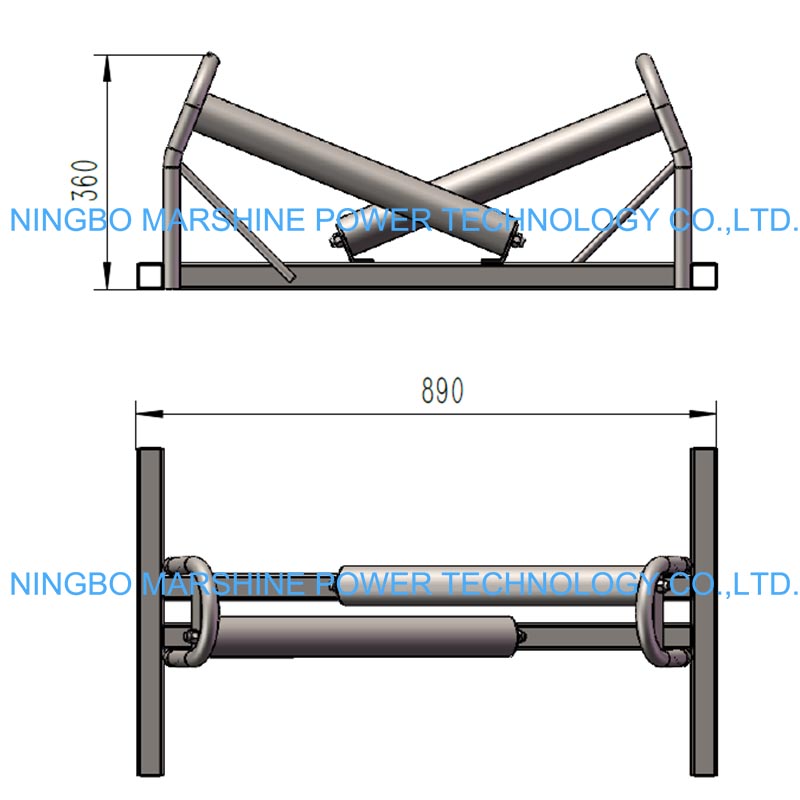
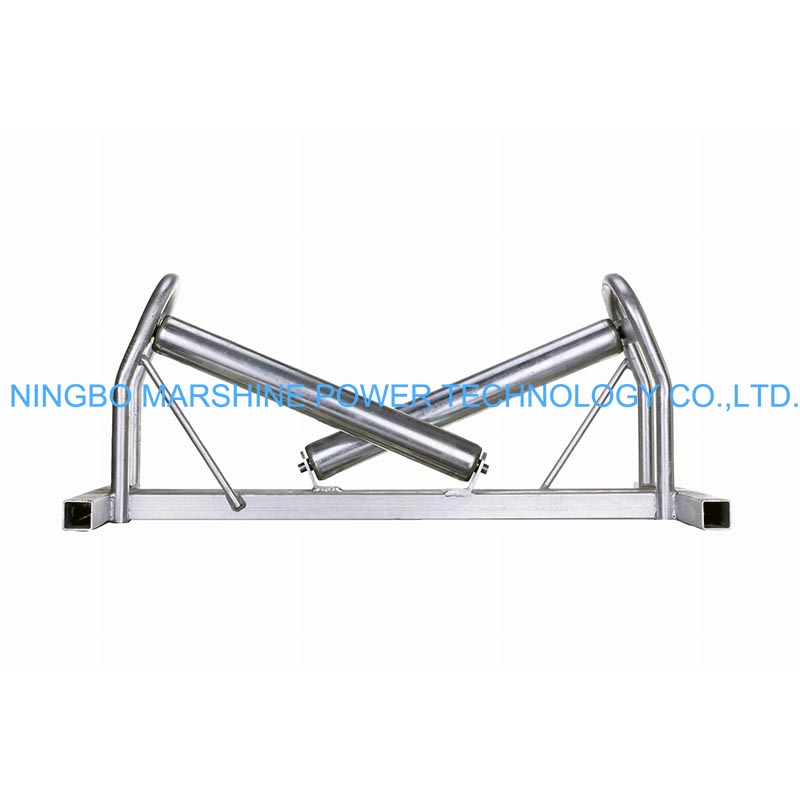
What Is a Cable Roller?
A cable roller is a mechanical guiding device that supports cables during pulling and laying operations. It consists of one or more rotating rollers mounted within a durable frame, allowing cables to move smoothly while minimizing contact with the ground or surrounding structures. As our MARSHINE cable rollers, they will be commonly used in underground cable installation, overhead transmission line construction, cable trench laying works, manhole and duct entry points, and power distribution projects.
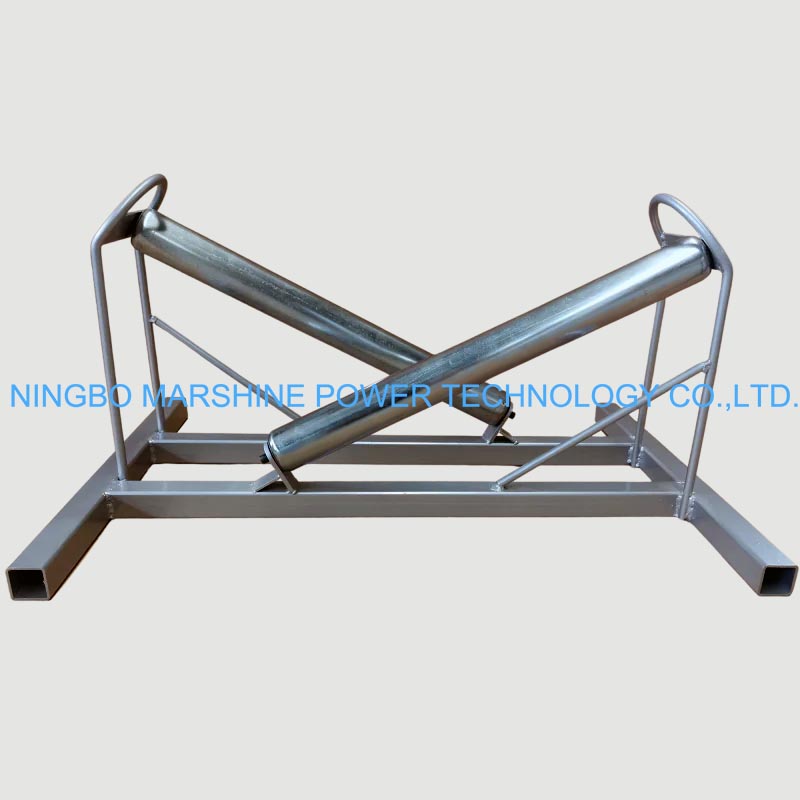
So Why We Use Cable Roller To Guide The Cables?
Reduce Cable Friction
The primary purpose of a cable roller is to reduce friction during cable pulling. These surfaces generate significant friction, making the cable much harder to pull. Cable rollers replace sliding friction with rolling friction, allowing the cable to move smoothly with much less resistance.
Protect Cable Jackets
Power cables and fiber optic cables are valuable assets that require careful handling during installation. Direct contact with rough surfaces may cause: Abrasion; Cuts; Scratches; Jacket deformation; Insulation damage. Even minor damage to the cable sheath can reduce its service life and increase the risk of future failures. Cable rollers can keep the cable elevated above the ground and provide a smooth rolling surface, greatly reducing the likelihood of mechanical damage during installation.
Maintain Proper Cable Alignment
During long-distance cable pulling, maintaining a straight and controlled cable path is essential. Cable rollers will help guide the cable along the planned route by:
Preventing unnecessary twisting;
Keeping the cable centered;
Supporting directional changes;
Maintaining consistent pulling angles;
The proper alignment reduces stress on both the cable and the pulling equipment while ensuring a cleaner and more efficient installation.
Reduce Pulling Tension
High pulling tension is one of the biggest challenges in cable installation.
Excessive tension can result in stretched conductors, damaged insulation, broken pulling ropes, equipment overload, and installation delays. By minimizing friction, cable rollers significantly reduce the amount of pulling force required.
Improve Installation Efficiency
Cable roller can help construction crews complete projects more quickly. Since cables move more freely, workers spend less time overcoming resistance and correcting cable positioning. For large transmission or underground utility projects involving thousands of meters of cable, these efficiency gains can substantially reduce overall construction costs.