What Is MARSHINE Fiber Optic Serrated Cable Cutter?
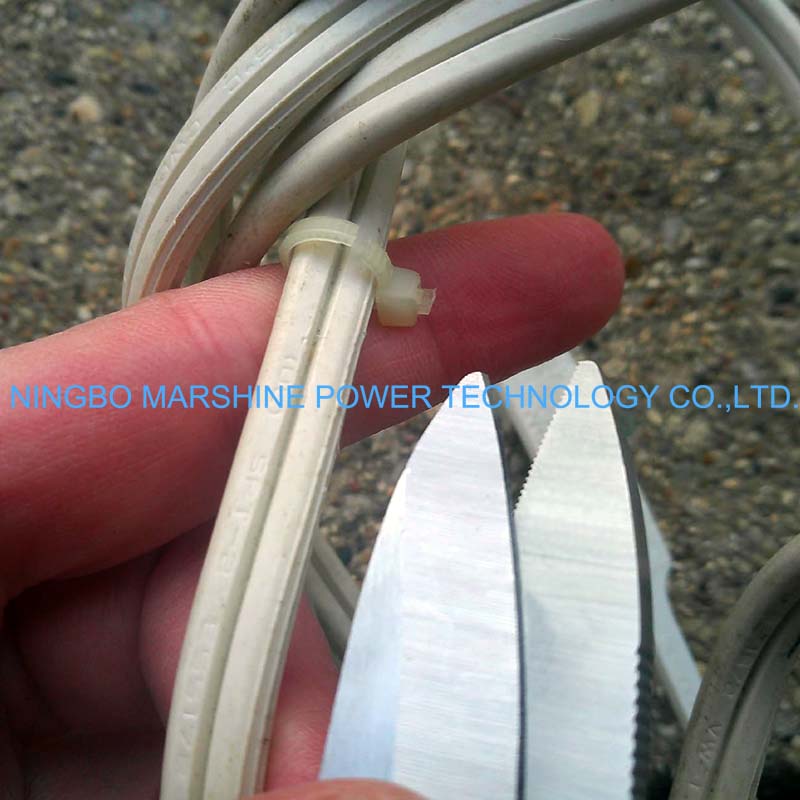
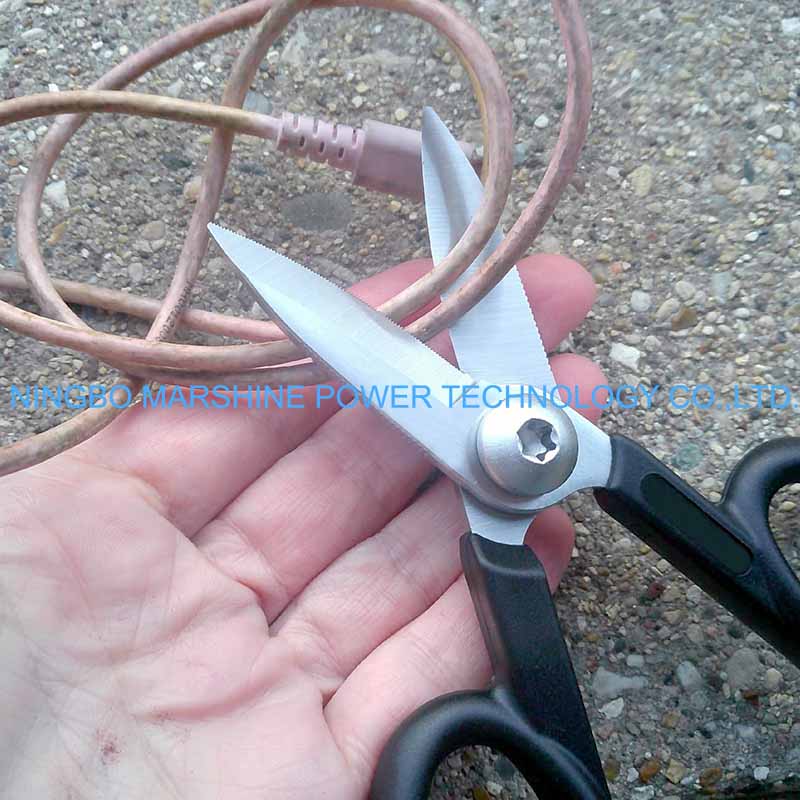
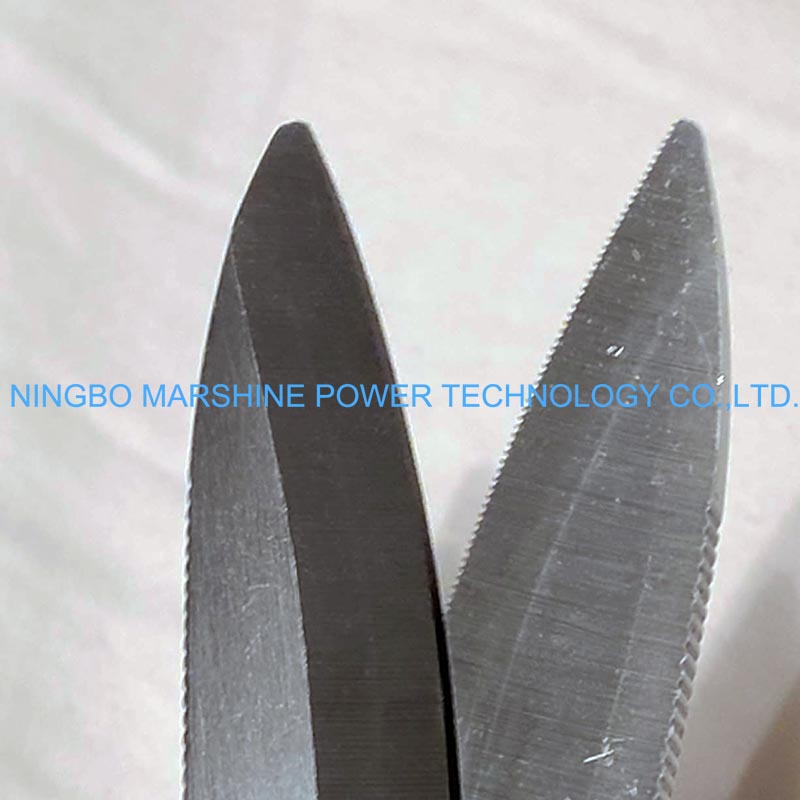
The MARSHINE Fiber Optic Serrated Scissors Fiber Optic Cable Cutters For Kevlar MAR-KC-160 is an efficient tool used to cut the strength members of Kevlar, fiber yarn and other soft materials in the manufacture of fiber optic cables. Armed with hardened serrated blades and an ergonomic handle, this tool allows for clean controlled cuts which are critical for proper fiber preparation on the job during installation and splicing.
Applications
l Cutting Kevlar strength members in fiber optic cables;
l Trimming fiber yarn and aramid fibers;
l Fiber optic cable preparation and termination;
l FTTH, FTTx, and telecom network installations;
So How To Use MARSHINE Fiber Optic Cable Scissors?
Step 1 Open the Fiber Optic Cable Jacket
Use a suitable fib er stripper or a jacket stripper tool...
Strip the jacket with a scooter stripper or use a jacket stripper tool.
Expose the Kevlar Strength Members(without cutting the fiber) rip parrel to the strength members.
MAR-KC-160 scissors are specially designed to cut Kevlar, not jackets.
Step 2: Recognize the Kevlar Strength Members
Find the white or yellow Kevlar yarn in the cable.
Pull the Kevlar away from the fiber buffer tubes.
It is also important to have the appropriate amount of slack to prevent unintentional fiber damage.
Step 3: Put the Kevlar in the Scissors
Pull both handles the full length apart.
Place the Kevlar fiber between the serrated blades.
Make sure the optical fibers are not in the cutting field.
These serrated edges hold tightly onto Kevlar fibers and do not slip.
Step 4: Clean Cut the Kevlar
Bring your MARSHINE Fiber Optic Serrated Scissors Fiber Optic Cable Cutters For Kevlar MAR-KC-160’s handles together Use a gradual force to close your scissor slowly to get a beautiful cut.
No turning or sawing motion.
Make your cut in one movement.
When you make a clean cut you get the quality desired of a clean cut if you are yanking too hard or moving the blade around might get a small drive of the quality wire away from your hands.
Step 5: Examine the cut area
After cutting:
Make sure all Kevlar fibers are cleanly cut
Make sure the optical fiber is not broken
If necessary take out loose Kevlar strands.
Proper trimming leads to better termination and cable management.