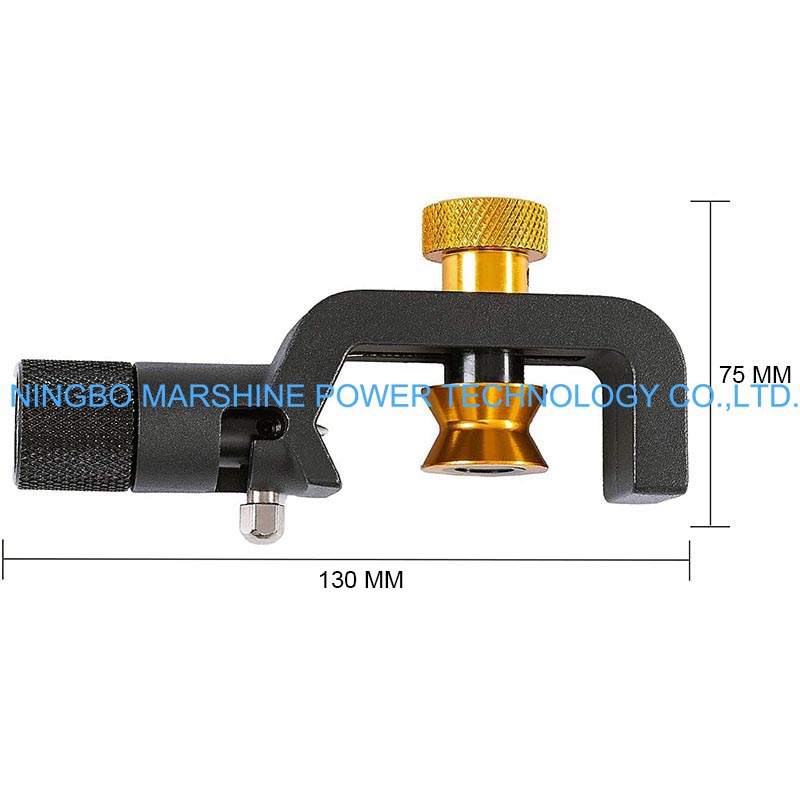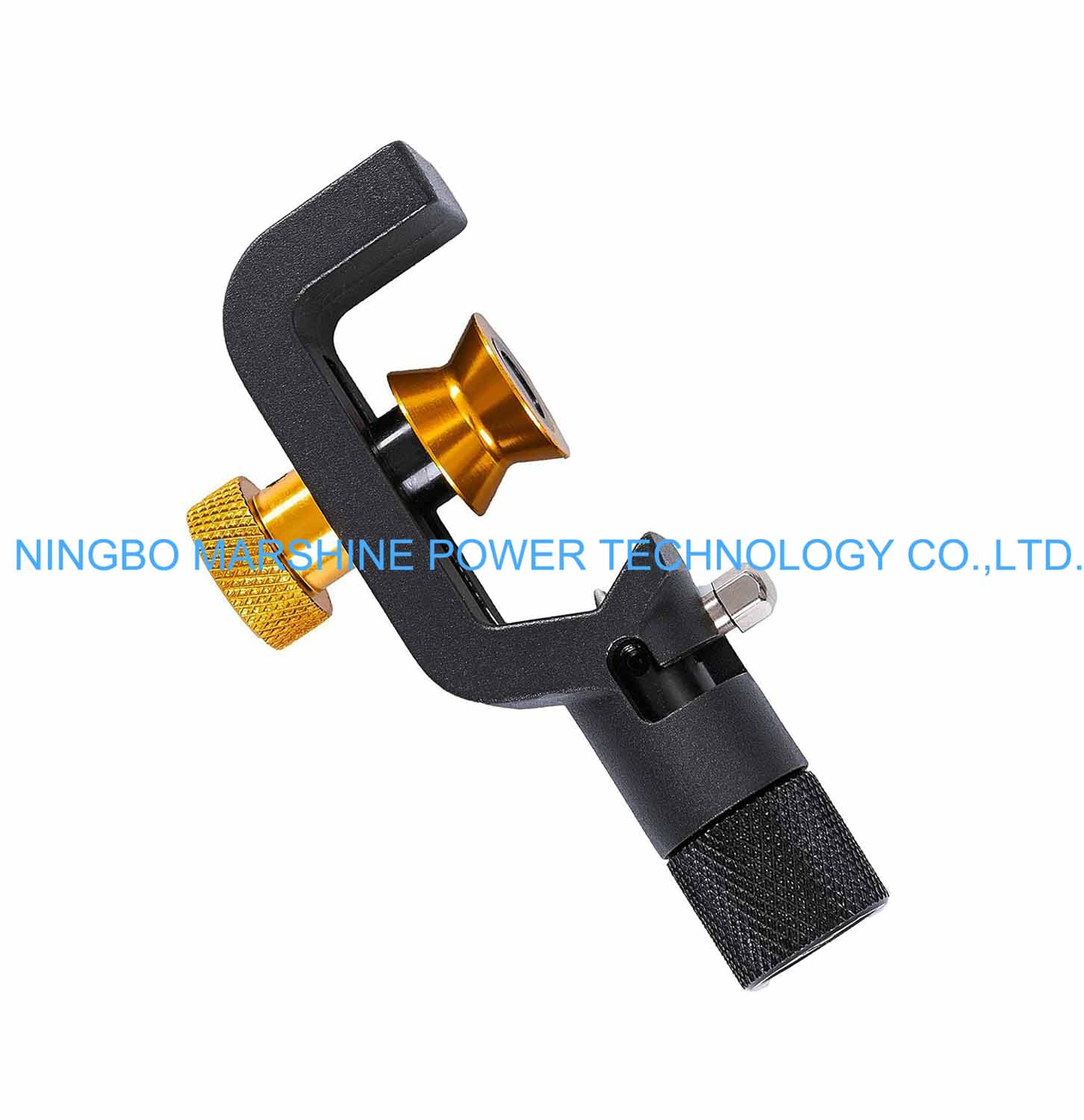
What Is MARSHINE Fiber Optic Stripping Tool?
MARSHINE Transverse & Longitudinal Fiber Optic Cable Stripping Tool MAR-TK-S2 Fiber Optic Cable Stripper is a professional strain tool for mid-span access, sheath stripping and end stripping of fiber optic cables. The world’s first fiber optic cable jacket stripper to perform both transverse (ring) cut and longitudinal (slit) cuts – enabling the fiber optic cable jacket to be opened quickly and safely by installers without damaging internal fibers.
Applications
l Fiber optic cable mid-span access;
l FTTH and FTTx network deployment;
l Telecom and data center installations;
l Fiber repair and maintenance work;
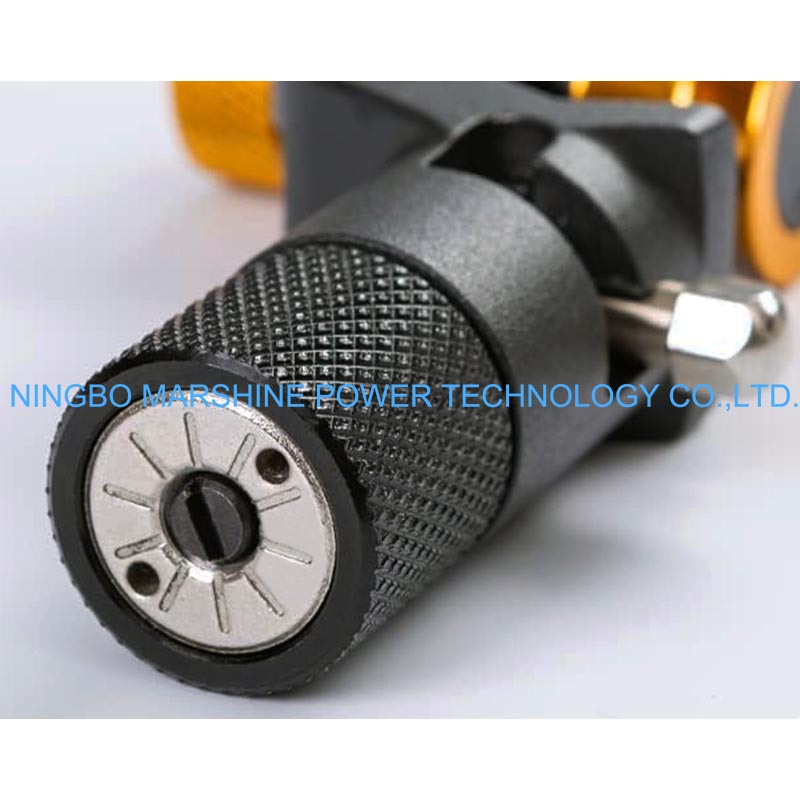
So How To Use MARSHINE Fiber Optic Stripping Tool?
Step 1: Examine and Set the Tool
Make sure that the blade is clean and sharp;
Adjust the depth of the blade for the thickness of the cable jacket;
Make sure the tool rotates and slides evenly;
Over or under blade adjustment can cause damage to the fiber.
Step 2 Perform Transverse Stripping
Transverse stripping is the removal of a length of the outer jacket.
Close the MARSHINE Transverse & Longitudinal Fiber Optic Cable Stripping Tool MAR-TK-S2 Fiber Optic Cable Stripper;
Insert the cable into the transverse cutting slot;
Slowly close the tool until the end of the jacket meets the knife;
Rotate the tool 2~3 times along the circumference of the cable;
Open the tool and take out the jacket ring that has been cut off;
That makes a nice clean circular cut without going too deep.
Step 3: Longitudinal Strip Off the Length
Longitudinal stripping is the process of opening up the cable sheath in the run direction.
Place the cable into the longitudinal cut channel;
Secure the tool by cinching down the housing;
Push in the tool vertically with the cable;
Do not apply too much pressure on your tool − do not rush.
The jacket will split cleanly along the length of the cable.
Step 4: Strip Row the cable jacket
Withdrew carefully the section of the jacket;
Reveal the buffer tubes or fiber units remove buffer tubes or fiber units reveal the fibers in them;
Do not pull on the fibers;
Correct strand jacket removal protects the internal fibers from harm and permits safe access to the inner working of the cable.
Step 5: Inspect the Exposed Fibers
After stripping:
Make sure that the fibers and buffer tubes are not damaged;
Make sure there are no nicks or cuts;
Wipe the exposed surface if needed;
For low loss splicing, the fiber to be spliced should be clean and undamaged.