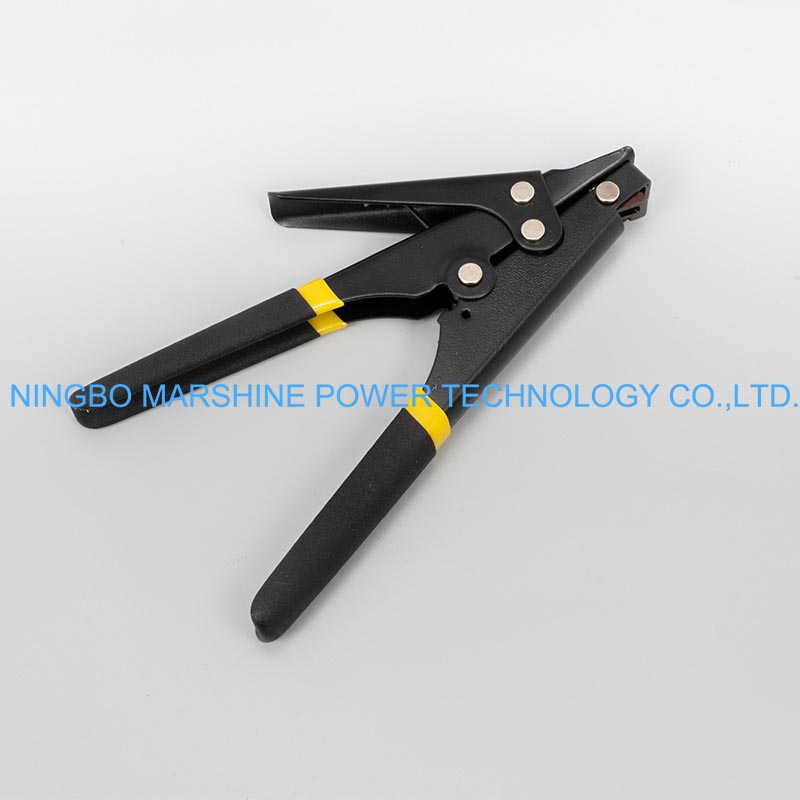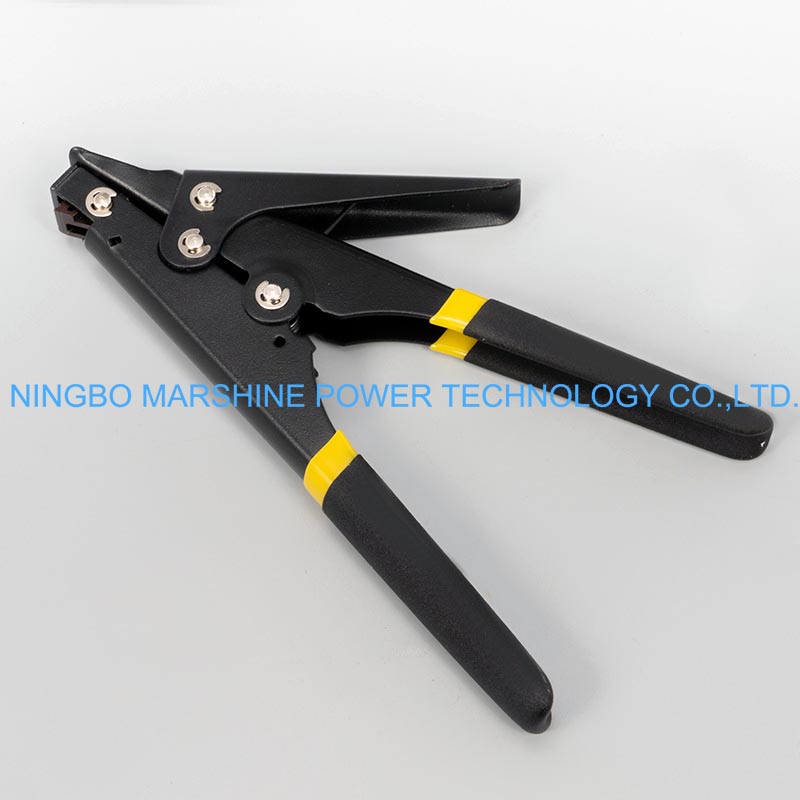
What Is MARSHINE Portable Nylon Cable Tie Tool?
A cable tie tensioning tool is a hand tool designed to tighten nylon cable ties to the proper tension and automatically trim the excess tail. Compared with manual tightening, a cable tie tensioning tool can provide consistent tightening force, cleaner cable installations,reduced risk of damaging cables, and faster installation efficiency. Cable ties are widely used in electrical installation, cable management, telecommunications, and industrial assembly. To ensure cable ties are tightened correctly without damaging the cables, so a reliable tensioning tool is essential. The MARSHINE HS-600A Portable Nylon Cable Tie Tensioning Tool is designed to tighten and cut nylon cable ties efficiently, ensuring neat, secure, and professional cable bundling.
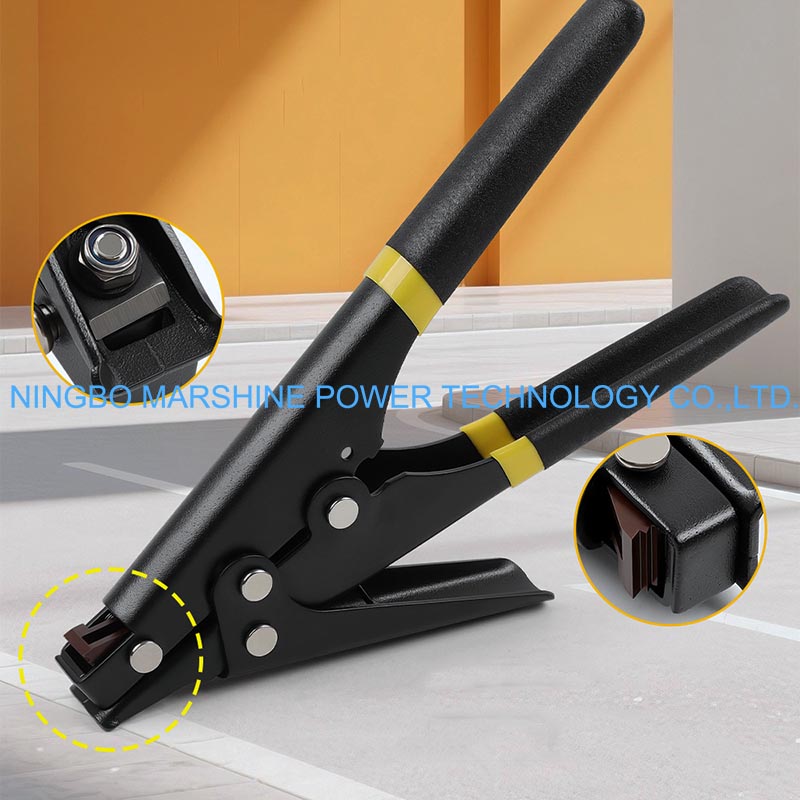
So How Can We Use The MARSHINE Portable Cable Tie Tool Properly?
Organize The Cables Together
First, arrange the cables tidily.
Line the cables up where you want them.
Make sure the bundle is neat.
Don't criss-cross or twist the cables.
A good cable management is the key to a clean install.
Pass The Tie Through The Cable
The bend the tail of the strap around the bundle of cable.
Feed the tail of the tie through the locking head.
Pull it slightly by hand to hold the two cables together.
Leave enough length of tail for the tensionning tool to grab.
This act prepares the cable tie to be tightened.
Feed The Tail Of The Cable Tie Into The Tool
Get the MARSHINE HS-600A Portable Nylon Cable Tie Tensioning Tool and:
Slide the tail end of the cable strap into the tool’s slot .
Make sure the tie is straight and matches the picking device.
Grab the tool.
Now it is ready to tighten the cable tie.
Tighten The Cable Tie
Squeeze the handle of the tool.
The internal spring mechanism tightens the cable tie.
Keep on squeezing until the preset tension is met.
The tail will be cut by the tool itself automatically.
In this way the tension is equal without it being overly tightened.
Examine The Installation
After tightening:
Make sure the zip tie is taut.
Make sure the cables aren’t being squished or damaged.
Make sure the tail has been cut clean.
A well applied cable tie will hold the cables together tightly, but still allow them to breathe.