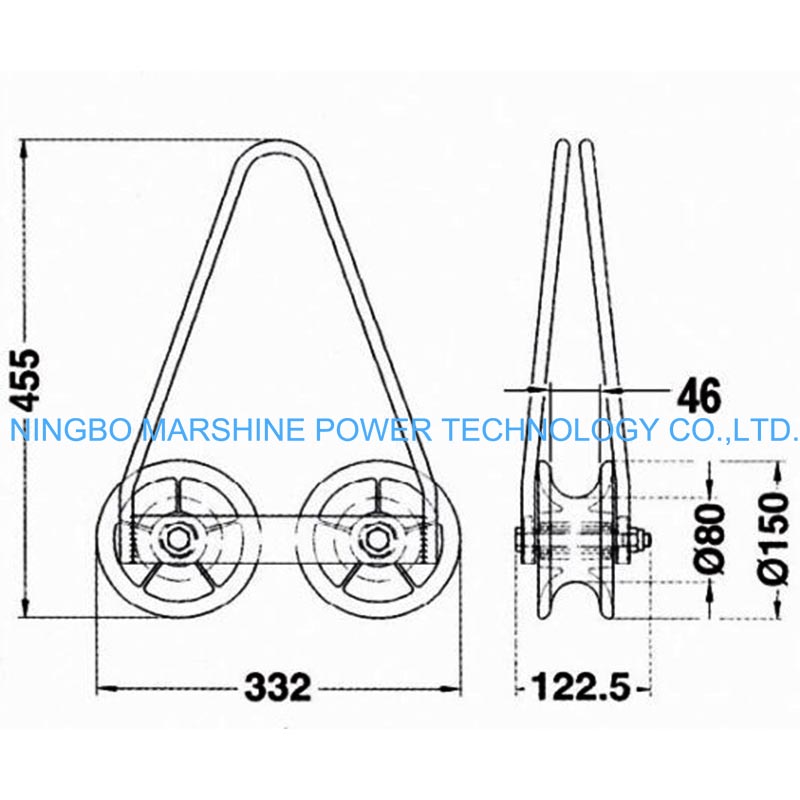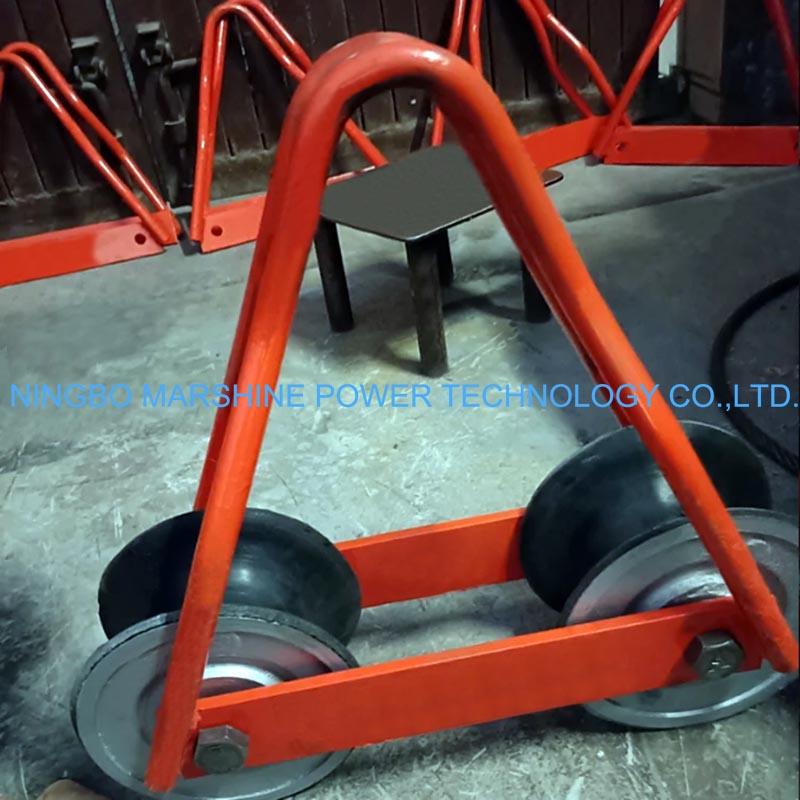
What Is MARSHINE Steel Frame Line Mounting Roller?
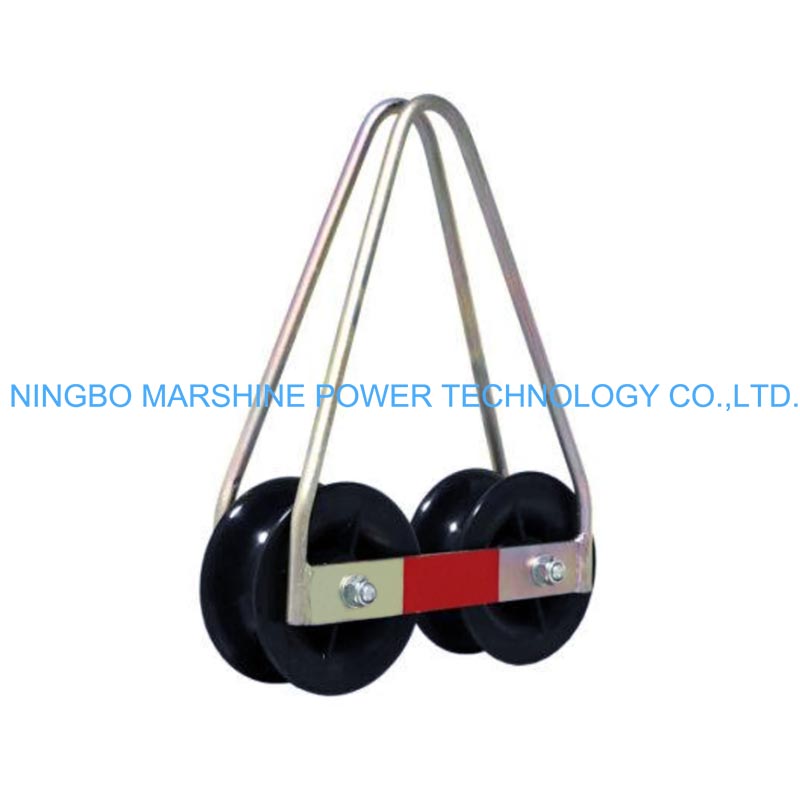
Our MARSHINE Steel Frame Two-Shell Overhead Line Mounting Roller is a professional-grade tool for overhead cable, designed for the production line, particularly suitable for industry field where great amounts of wire, cable or electrical line need to be mounted firm and safe. Featuring a galvanized steel frame and two rotating shells, this roller allows the cable to run smoothly once along the route you want it to take without damaging the insulation. From overhead power lines to telecommunication cables, this MARSHINE roller is an essential piece of equipment for making installation more manageable.
So How To Use MARSHINE Line Mounting Roller Properly?
Roller Assembly Installation
To Install your MARSHINE Steel Frame Two-Shell Overhead Line Mounting Roller, you need to:
Mount the Roller Bracket
Install the roller: Fit the sliding brackets to the roller tube and lock them in the middle position, and then attach the rolling to the overhead as needed with use of the supplementary brackets. Make sure the bracket is secured so that it cannot move while you are working.
Check alignment: Mount the roller at the right height and angle so the cable can slide through. This tangential alignment feeds the cable without any tension on it.
Install the roller
Make sure the orientation is correct: Now that the roller bracket is attached, you may install the two-shell roller. The cable can be run through the shells in a manner not unlike a coaxial with two conductors.
Verify stability once again: It’s essential to ensure the roller is steady and capable of holding the weight of the cable, primarily if you’re handling a substantial cable like that of the power lines.
Securing the Cable
Now that you have the roller set up, it is time to string the cable through the roller system:
Raise the cable to the roller:
Lift the cable, with the assistance of teammates or using a cable pulley system, and bring it up to the roller.
If needed employ a cable hoist or winch to get cable at the roller.
Run the cable to the roller:
Slowly run the cable into the roller shell;
Ensure that it takes the natural curve of the roller.
The cable should slide through the roller with no difficulty, not jumping or bending too much.
Manipulate the Cable as It Travels:
While the cable is running along the roller, use one hand to guide it and keep it running straight on the roller.
This prevents the cable from snagging and kinking.
Advance to the next roller:
In case you are employing multiple rollers for long lengths, keep on moving till you reach the final roller, yet try to maintain the cable relaxed and intolerance of any type of tension, pull or pressure.