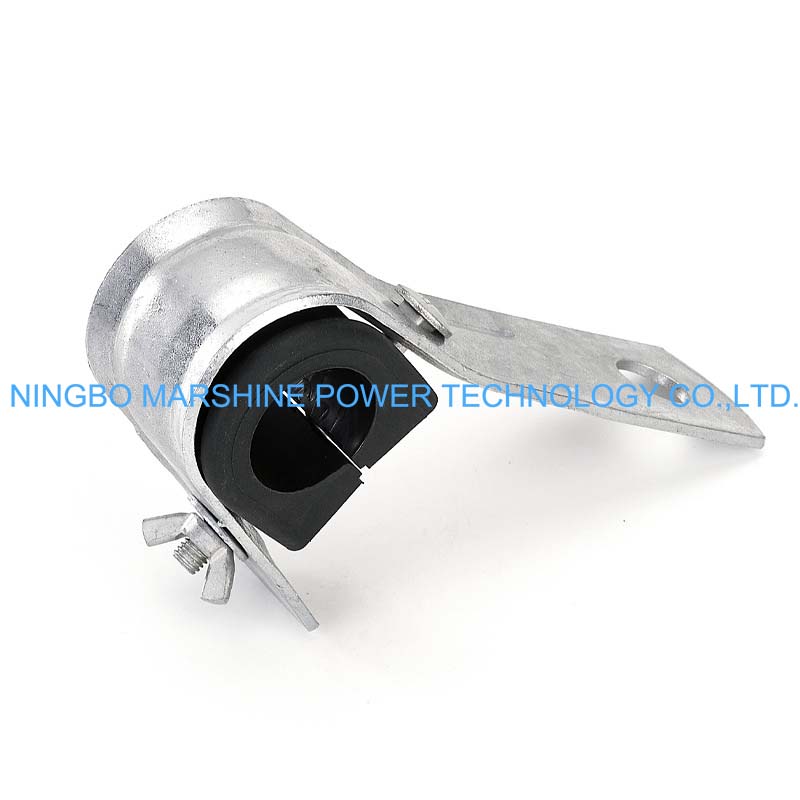
What Is a Suspension Clamp?
A suspension clamp is a line fitting which was designed to suspend and support conductors or cables from insulators attached to utility poles or transmission towers. Unlike the dead-end clamps, which hold conductors under the full tension, suspension clamps can support the conductor while allowing limited movement caused by wind, temperature changes, and mechanical loading. Just like our MARSHINE professional suspension clamps, can improve your teams working efficiency well while enhance the life time of the transmission line.
Its commonly used situation:
Overhead power transmission lines;
Distribution networks;
ADSS cable installations;
OPGW cable systems;
Telecommunication lines;
Railway electrification projects;
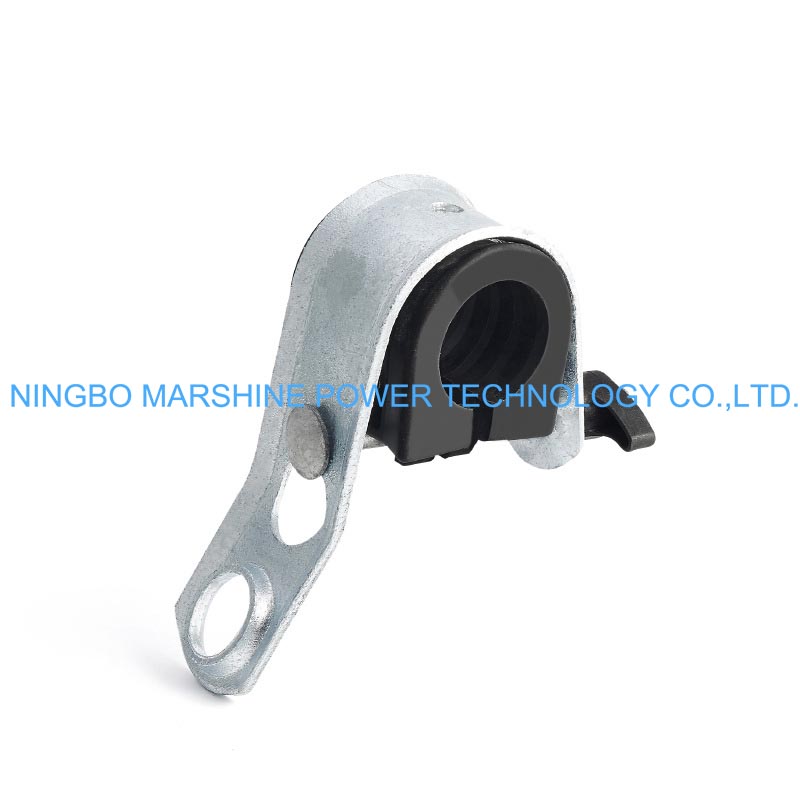
How Suspension Clamps Benefit Overhead Line Construction Projects?
The hardware components of an overhead power distribution and transmission system need to be sufficiently robust to maintain stability of the conductor, electrical safety, and mitigation of long-term environmental effects. Suspension clamps are one of the important items in these components which can hold a conductor and provide some flexibility under the different environmental or mechanical conditions.
The suspension clamps are used for a wide range of applications, from MV distribution networks to HV transmission lines to attach conductors to poles and towers without damaging the cable. Knowledge of their benefits enables utility companies, contractors, and line workers to increase installation productivity, and reliability of the network.
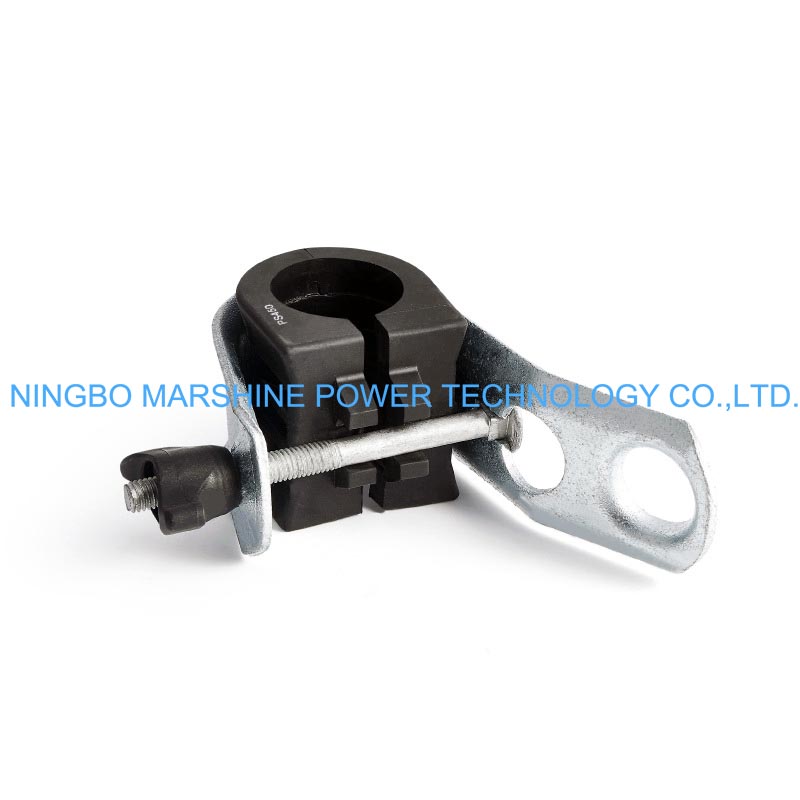
Major Advantages of Suspension Clamps in Line Works
Provides Reliable Conductor Support
The primary function of a suspension clamp is to securely support conductors between transmission structures.
Benefits include:
Stable conductor positioning;
Even distribution of mechanical loads;
Reduced conductor sag variation;
Improved line alignment;
This ensures the conductor remains properly suspended throughout its service life.
Minimizes Conductor Damage
Modern suspension clamps are designed with smooth contact surfaces and specialized inserts that protect the conductor.
Advantages include:
Reduced surface abrasion;
Prevention of conductor crushing;
Lower risk of strand damage;
Extended conductor lifespan;
This protection is especially important for aluminum conductors, OPGW cables, and insulated conductors.
Accommodates Conductor Movement
Overhead conductors naturally expand, contract, and move due to:
Temperature fluctuations;
Wind pressure;
Ice loading;
Mechanical vibration;
The suspension clamps allow controlled movement while maintaining secure support.
Benefits include:
Reduced mechanical stress;
Improved conductor flexibility;
Lower risk of fatigue failure;
Enhanced system reliability.
Improves Vibration Resistance
Aeolian vibration and wind-induced oscillation can significantly affect overhead conductors.
Properly designed suspension clamps help:
Absorb vibration forces;
Reduce conductor fatigue;
Prevent hardware loosening;
Increase transmission line durability;
Many suspension clamp systems can also be combined with vibration dampers for additional protection.
Suitable for Various Cable Types
Modern suspension clamps are available for a wide range of conductor and cable applications, including:
AAC conductors;
ACSR conductors;
AAAC conductors;
ADSS fiber optic cables;
OPGW cables;
Insulated overhead conductors;
This versatility makes them valuable components in numerous line construction projects.
Simplifies Installation Procedures
The suspension clamps are designed for efficient field installation.
Advantages include:
Faster assembly;
Reduced labor requirements;
Simple mounting procedures;
Lower installation costs;
For large-scale transmission and distribution projects, easy installation can significantly improve construction productivity.
Enhances System Safety
A properly installed suspension clamp helps maintain conductor integrity and reduces the risk of line failures.
Safety benefits include:
Secure conductor retention;
Stable mechanical support;
Reduced risk of conductor slipping;
Improved operational reliability;
These features contribute to safer working conditions and more dependable electrical networks.
Excellent Corrosion Resistance
Most high-quality suspension clamps are manufactured using materials such as:
Hot-dip galvanized steel;
Aluminum alloy;
Stainless steel components;
These materials provide:
Superior weather resistance;
Protection against rust and corrosion;
Long service life in outdoor environments;
This is particularly important for coastal, industrial, and high-humidity regions.
Reduces Long-Term Maintenance Costs
Because suspension clamps are designed for durability and reliability, they require minimal maintenance after installation.
Long-term benefits include:
Fewer hardware replacements;
Reduced inspection frequency;
Lower maintenance expenses;
Improved network uptime;
For utility companies, this translates into significant life-cycle cost savings.
Supports Modern Power Grid Development
As power grids become more complex and demand higher reliability, suspension clamps continue to play a vital role in supporting:
High-voltage transmission lines;
Renewable energy connections;
Smart grid infrastructure;
Fiber optic communication networks;
Their ability to provide secure conductor support while accommodating dynamic loading conditions makes them indispensable in modern line construction.