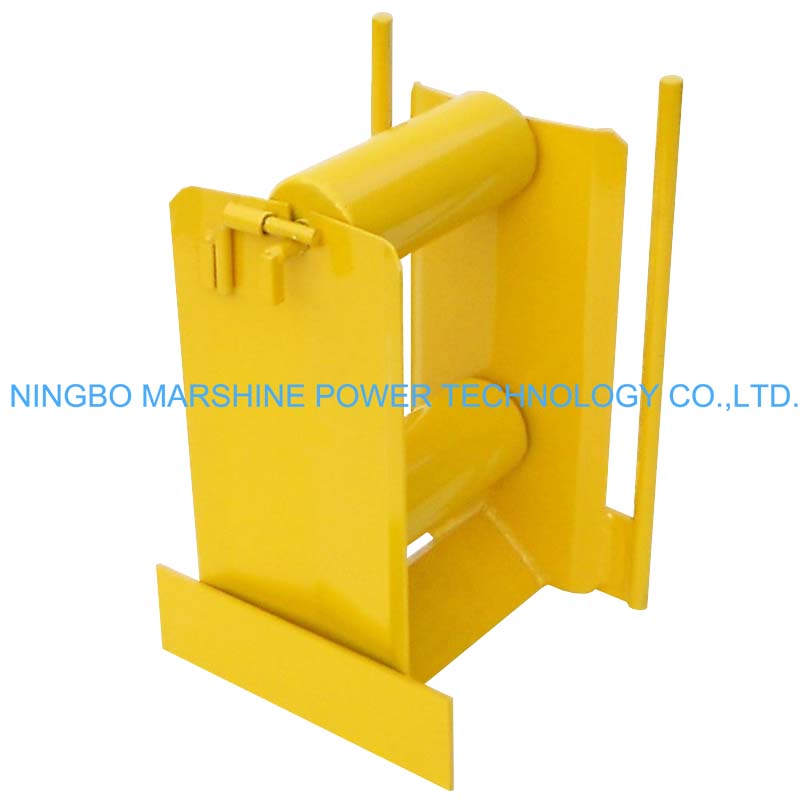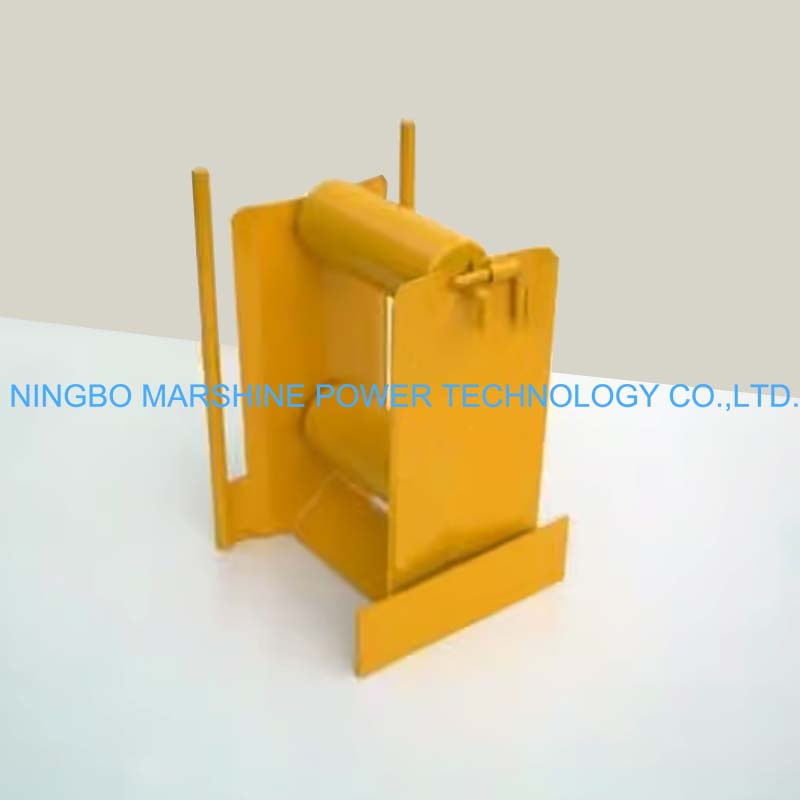
What Is MARSHINE MARCR-5 Horizontal Roller?
The MARSHINE MARCR-5 Alloy Steel Frame Horizontal Roller is a robust cable guiding device designed to support smooth and efficient cable installation in trenches, cable routes, and utility construction projects. Built with a high-strength alloy steel frame and durable roller assembly, this horizontal roller helps reduce cable friction, maintain proper cable alignment, and protect cable jackets from damage during pulling operations.
Been widely used in the power transmission, telecommunications, underground cable laying, and industrial infrastructure projects, the MARSHINE MARCR-5 Alloy Steel Frame Horizontal Roller improves installation efficiency while minimizing cable wear and pulling resistance.
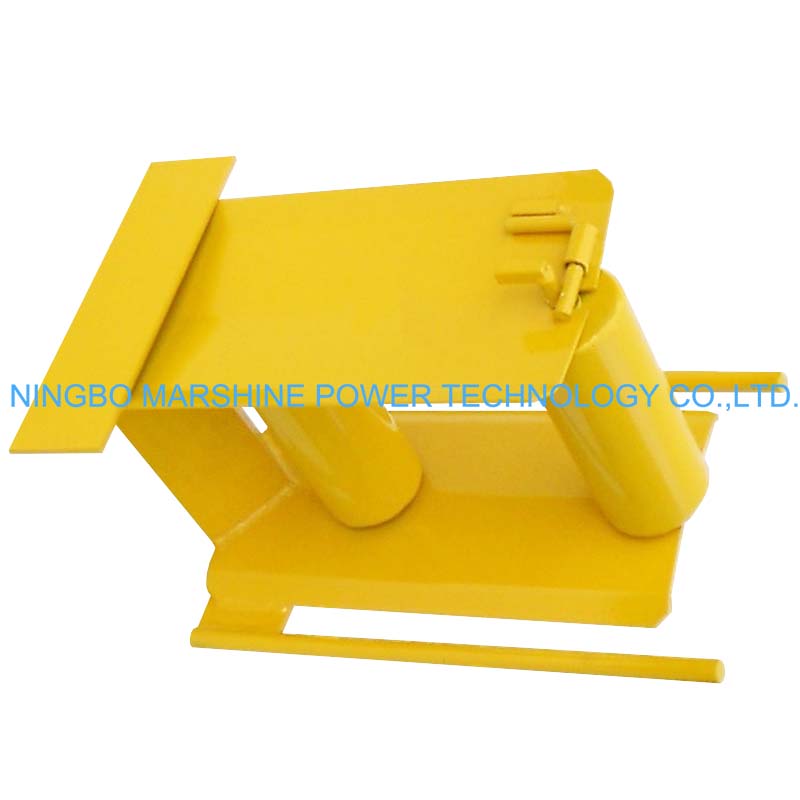
So How To Use It Properly?
Preparation Before Use
Proper preparation helps ensure safe and efficient operation.
Inspect the Roller
Before installation:
Check the alloy steel frame for cracks, deformation, or structural damage.
Verify that all rollers rotate smoothly without binding.
Inspect bearings and shafts for excessive wear.
Ensure all bolts and fasteners are properly tightened.
Examine the Cable Route
Remove rocks, debris, and obstacles from the cable path.
Identify locations where additional rollers may be required.
Ensure the ground surface is stable enough to support the roller.
Verify Cable Specifications
Confirm the cable diameter is suitable for the roller.
Ensure the expected pulling tension does not exceed the roller's rated capacity.
Wear Proper Safety Equipment
Installing the Roller
Position the Roller
Place the roller directly along the cable pulling route.
The roller should:
Be aligned with the cable path.
Sit on stable, level ground.
Allow the cable to pass smoothly through the center of the roller.
Align Multiple Rollers
For long cable installations:
Position multiple MARSHINE MARCR-5 Alloy Steel Frame Horizontal Roller at regular intervals.
Maintain a straight cable path whenever possible.
Ensure smooth transitions between adjacent rollers.
Verify Stability
Before pulling begins:
Confirm the roller frame is stable.
Check that the rollers rotate freely.
Ensure there is no risk of the roller tipping or shifting during operation.
Cable Pulling Procedure
Place the Cable onto the Roller
Carefully position the cable on the roller surface.
Ensure:
The cable is centered.
The cable does not contact the steel frame.
The cable can move freely without obstruction.
Begin Pulling Slowly
Start the pulling operation at a controlled speed.
During the initial stage:
Observe cable movement.
Check roller rotation.
Confirm proper cable alignment.
Maintain Constant Pulling Tension
During installation:
Maintain steady pulling force.
Avoid sudden starts and stops.
Prevent shock loads that may damage the cable or roller.
Monitor the Cable Path
Throughout the operation:
Watch for cable twisting or jumping.
Ensure rollers remain properly positioned.
Adjust roller placement if cable direction changes.