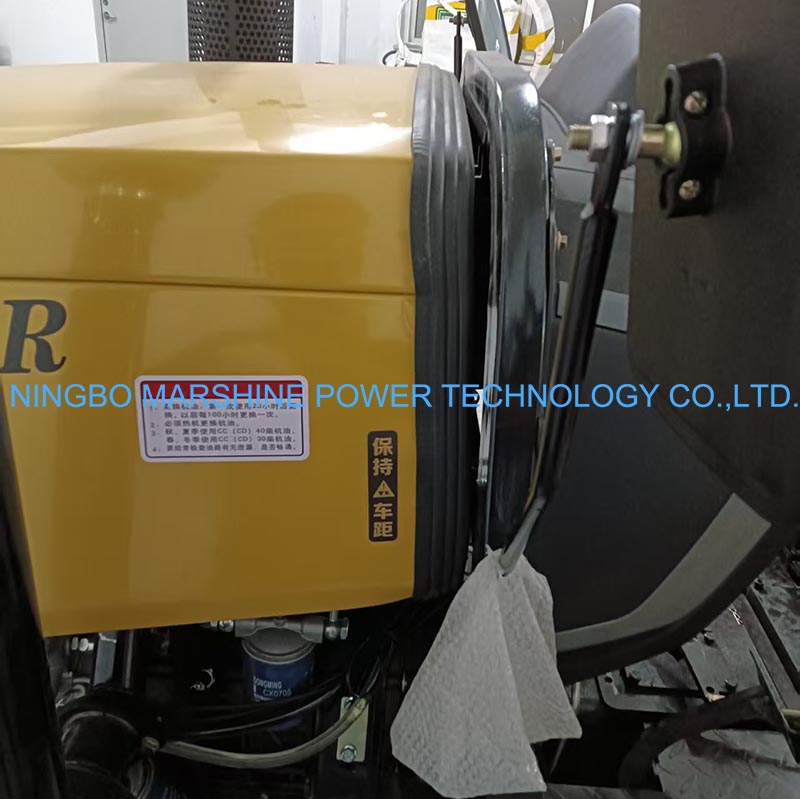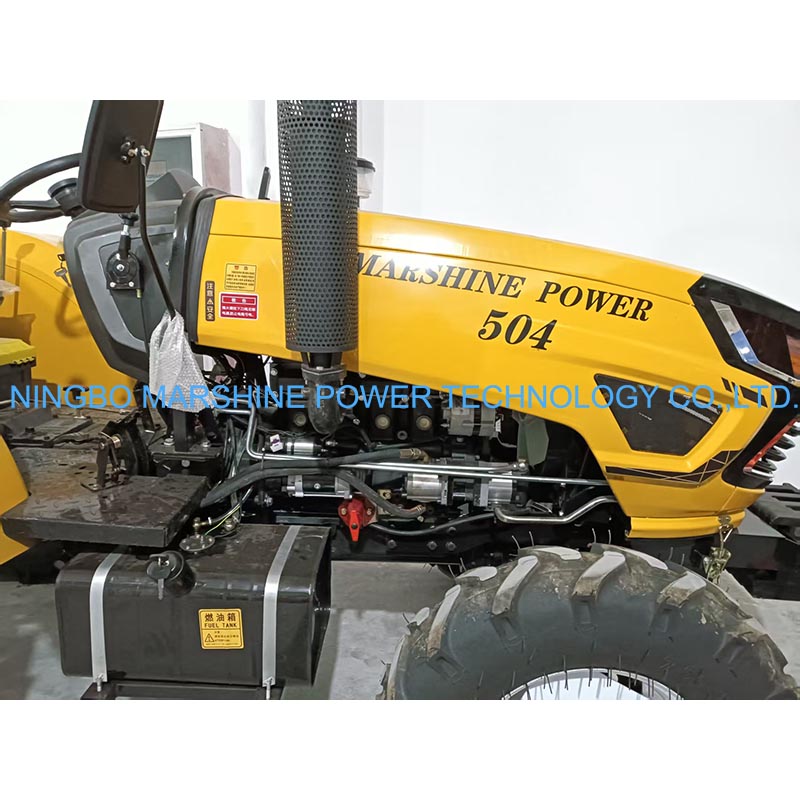
Multi engine pulling tractors, as the name suggests, are like conventional pulling devices which are operated by more than one engine and as such output of several engines compounds together to create more power, better stability and more efficiency. These equipment are essential in transmission line stringing, cable laying and utility work load associated with difficult terrain.
What Is a Multi Engine Pulling Tractor?
A multi-engine pulling tractor is a unique rail based equipment that is used for pulling of conductors, steel ropes, OPGW cables, ADSS cables and other utility lines while working on installation. The machine operates on several diesel engines that run simultaneously, driving a robust winch system that produces a huge pulling power.
With the engine’s power being spread out over multiple engines, the tractor can have a much larger traction capacity than any comparable single-engine machine. This configuration is especially suitable for ultra-high-voltage transmission line projects, long-span conductor stringing and large-diameter cable stringing.
Main Components of a Multi Engine Pulling Tractor
To understand how these machines work, it is important to examine their key components.
Multiple Diesel Engines
The most distinctive feature of a multi engine pulling tractor is its use of two or more diesel engines. Each engine contributes power to the overall pulling system, allowing the machine to generate extremely high traction forces.
The engines are carefully synchronized to ensure smooth operation and balanced load distribution. This arrangement reduces stress on individual components and improves overall machine reliability.
Hydraulic Transmission System
Most modern pulling tractors utilize hydraulic transmission technology. The diesel engines drive hydraulic pumps, which convert mechanical power into hydraulic energy.
The hydraulic system offers several advantages:
Smooth speed regulation;
Precise tension control;
High torque output;
Reduced mechanical wear;
Improved operational safety;
Hydraulic systems allow operators to adjust pulling force and line speed according to project requirements.
Pulling Winch
The winch is the core working component responsible for pulling conductors and cables. Powered by the diesel engine, the winch rotates a drum that winds or unwinds steel ropes connected to the conductor being installed. In high-capacity models, pulling forces can exceed several hundred kilo newtons.
Control System
Operators can adjust machine settings in real time to maintain safe and efficient operation throughout the stringing process.
Chassis and Drive System
Many pulling tractors are built on four-wheel-drive or crawler platforms to provide excellent mobility on construction sites. The heavy-duty chassis supports the machine's weight while ensuring stability during high-load operations.
How Does a Multi Engine Pulling Tractor Work?
The operating principle of a multi engine pulling tractor can be divided into several stages.
Engine Startup and Power Generation
The operator starts all engines, which begin generating mechanical power simultaneously. Depending on the machine design, the engines may operate independently while contributing power to a common hydraulic system. This combined power output forms the basis for the tractor's high pulling capability.
Winch Operation
The diesel engine powers for the winch drum. As the drum winds in the pulling rope, traction force is applied to the conductor or cable being installed.
Operators can precisely control: pulling speed, pulling direction and acceleration to ensures smooth conductor movement and minimizes the risk of cable damage.
Continuous Load Management
During operation, the control system constantly monitors pulling loads. If the load increases due to terrain changes, long spans, or heavy conductors, the multiple engines work together to maintain the required pulling force. This load-sharing capability is one of the key advantages of multi engine systems.
Safe Completion of the Pulling Operation
Once the conductor reaches its destination, the tractor gradually reduces tension and safely stops the winch. The installed conductor can then be tensioned and secured according to project specifications.