What Is a Tension Meter?
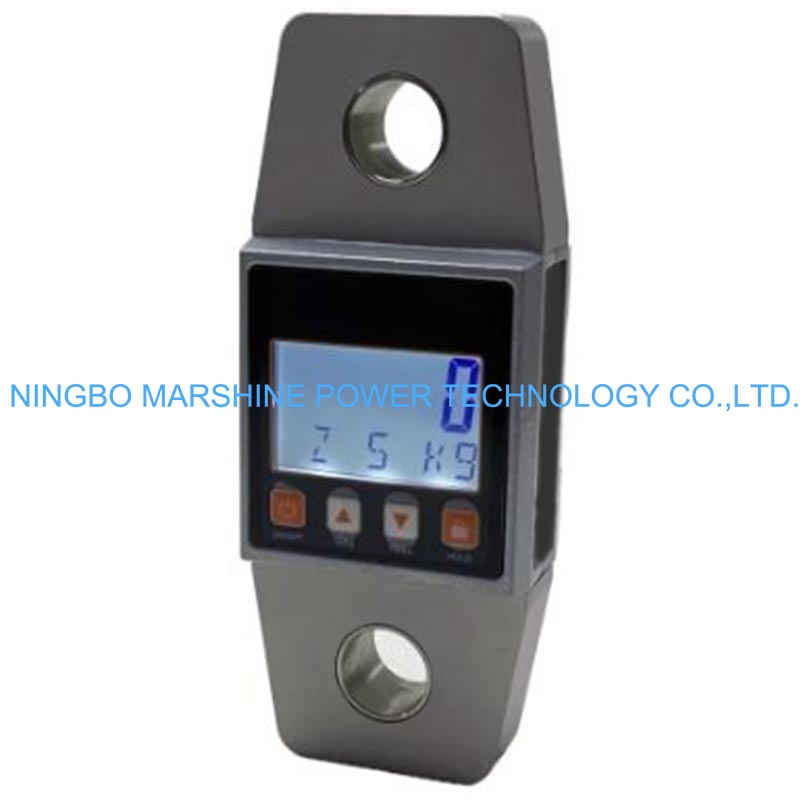
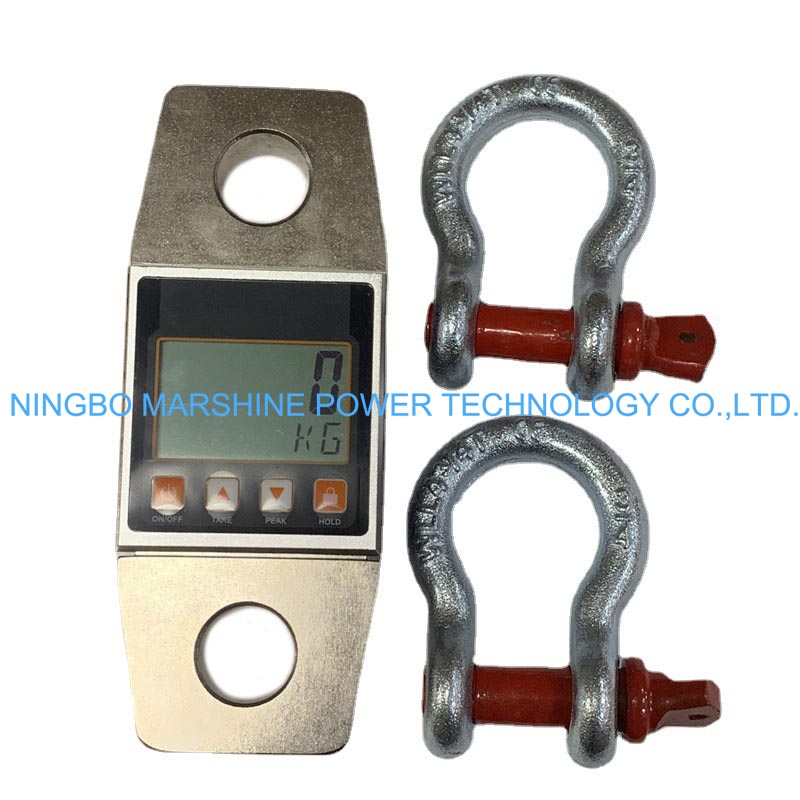
A tension meter is a measuring instrument designed to determine the amount of tensile force applied to a rope, cable, wire, conductor, chain, or other tensioned object. The device converts mechanical force into measurable data, allowing operators to monitor load conditions in real time. By providing accurate force measurements, tension meters help prevent overload situations, improve operational safety, and ensure compliance with engineering specifications.
Tension meters are commonly used in:
Power transmission line construction;
Cable pulling operations;
Lifting and rigging applications;
Telecommunications installations;
Manufacturing and testing facilities;
Marine and offshore operations;
Crane load monitoring.
The Basic Principle of Tension Measurement
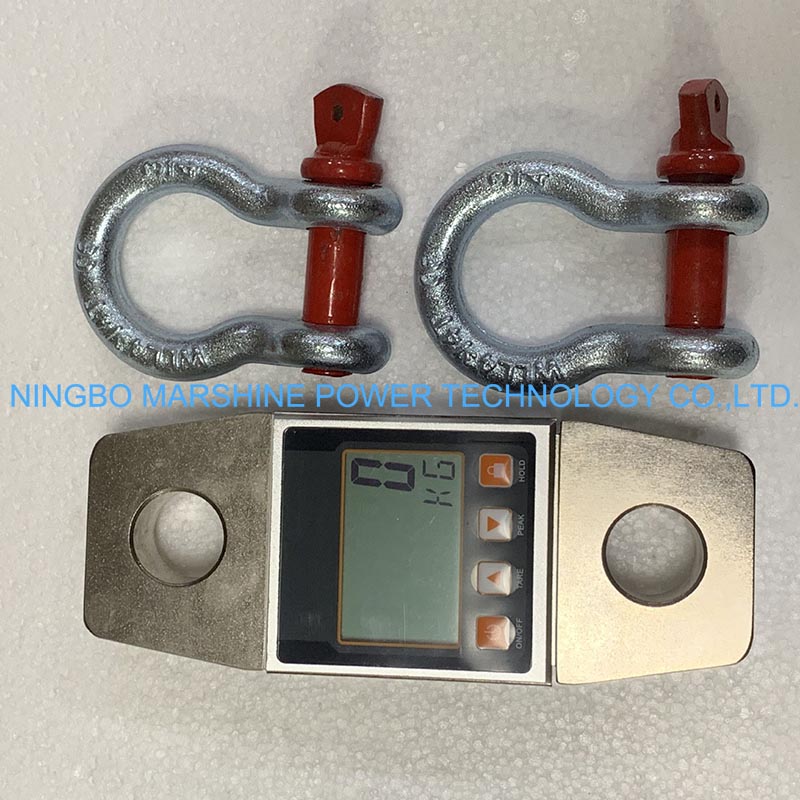
The operation of a tension meter is based on the relationship between force and material deformation. When tension is applied to a cable or rope, a small amount of deformation occurs within the measuring component of the instrument. Although this deformation is often microscopic, it can be accurately detected and converted into a measurable value. Modern tension meters typically use electronic load cells equipped with strain gauges. These sensors measure tiny changes in the material caused by applied force and transform them into electrical signals that can be displayed as tension values.
Main Components of a Tension Meter
To understand how a tension meter works, it is helpful to examine its primary components.
Load Cell
The load cell is the core sensing element of the instrument. It is designed to deform slightly when subjected to tension. The amount of deformation is directly proportional to the force being applied.
Strain Gauges
Strain gauges are extremely sensitive sensors attached to the load cell. As the load cell stretches under tension, the electrical resistance of the strain gauges changes. These resistance changes are very small but can be accurately measured and processed by the instrument's electronics.
Signal Processing Circuit
The signal processing system amplifies the tiny electrical changes produced by the strain gauges and converts them into usable measurement data. Advanced circuits filter out noise and improve measurement accuracy.
Digital Display
The processed data is displayed on a digital screen, allowing operators to view real-time tension values in units such as:
Newtons (N);
Kilo newtons (kN);
Pounds (lb);
Kilograms-force (kgf);
Tons (t);
Many modern tension meters also offer peak load recording and data storage functions.
Power Supply
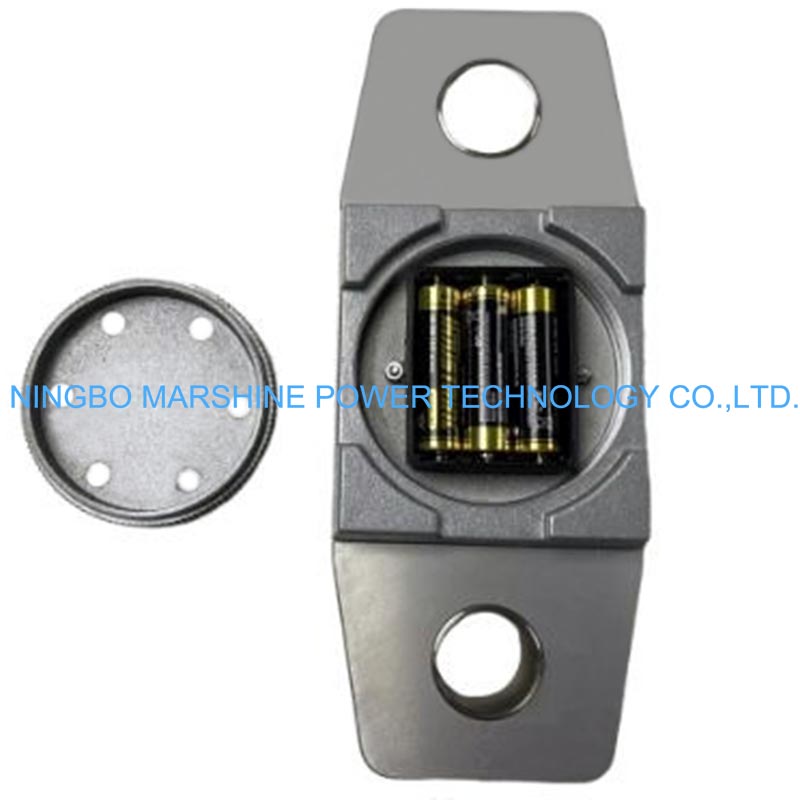
Electronic tension meters are typically powered by rechargeable batteries or replaceable battery packs, enabling portable operation in field environments.
So How Does a Digital Tension Meter Work After All?
The measurement process follows several simple steps.
Force Is Applied
The tension meter is connected between two points in a pulling, lifting, or tensioning system. As force is applied, the load passes through the measuring element.
Load Cell Deformation Occurs
The force causes a very small deformation in the load cell structure. Although invisible to the naked eye, this deformation is sufficient for measurement purposes.
Strain Gauges Detect the Change
The attached strain gauges experience a change in electrical resistance as the load cell deforms.
The greater the applied force, the larger the resistance change.
Electrical Signals Are Generated
The resistance variations are converted into electrical signals that represent the magnitude of the applied tension.
Signal Processing and Calculation
The electronic circuit processes the signals and calculates the actual tension value using calibration data stored within the device.
Real-Time Display
The calculated tension value is displayed instantly on the digital screen, allowing the operator to monitor force levels continuously.