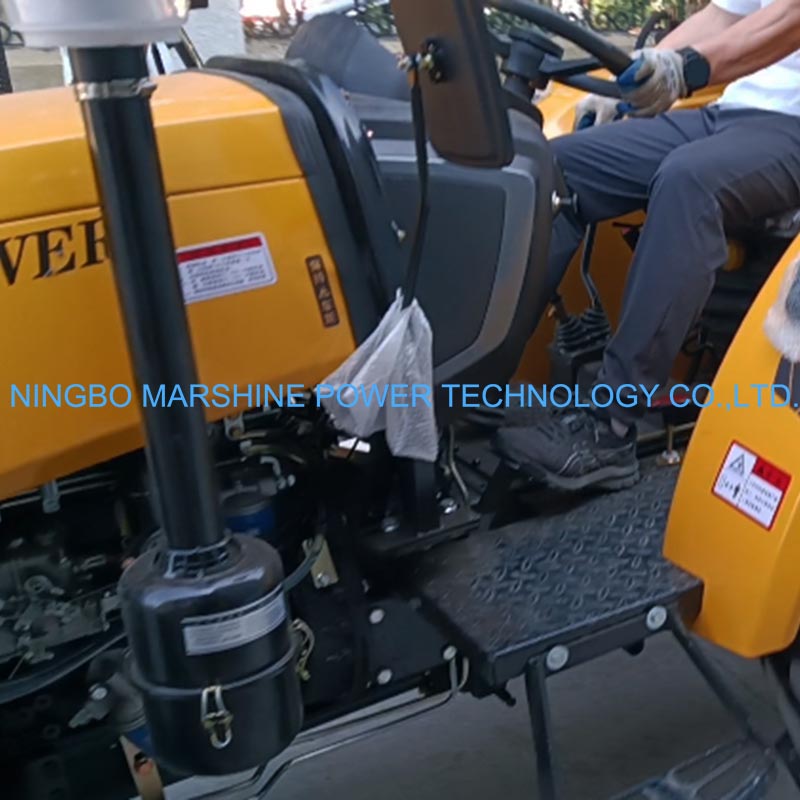
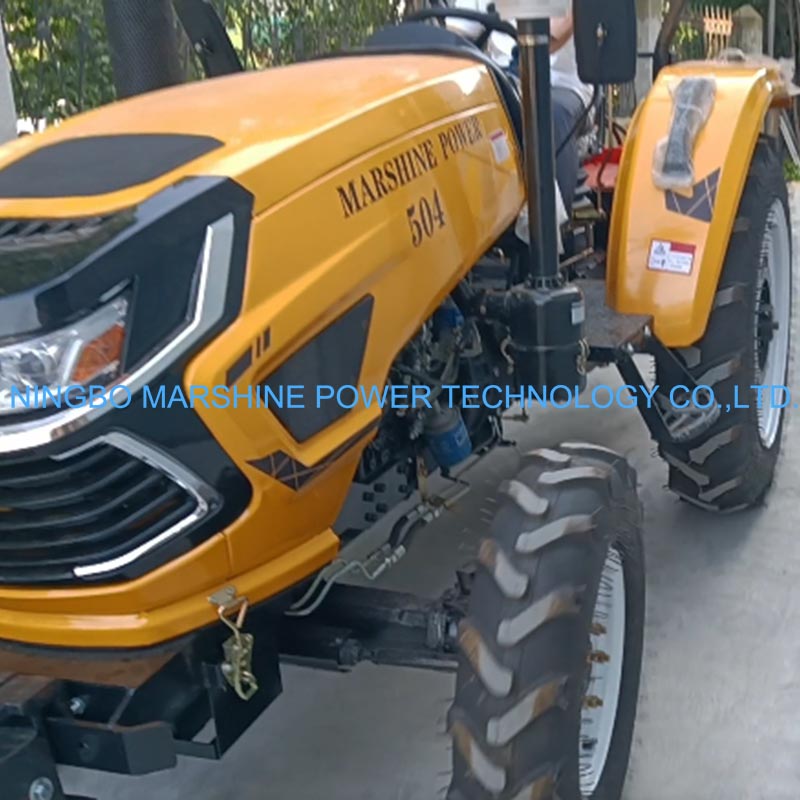
The Role of the Engine in a Tractor Puller
A tractor puller relies on its engine to generate the power needed to pull conductors and cables over long distances while maintain consistent pulling tension, can operate on rough and uneven terrain, able to support continuous operation throughout the workday, and ideal for drive the transmission and hydraulic systems. Because pulling operations often involve heavy loads and challenging environments, the engine must deliver strong performance while maintaining reliability. The diesel engines are uniquely suited to meet these requirements.
Key Factors For Choosing Diesel Engine
Higher Torque for Heavy Pulling Operations
One of the biggest advantages of a diesel engine is its ability to produce high torque at low engine speeds. Torque is the rotational force that allows a tractor puller to move heavy loads, climb slopes, maintain traction, and continue pulling under resistance. Unlike gasoline engines, diesel engines generate substantial pulling power without requiring high RPM operation.
For MARSHINE Tractor Pullers, this means:
Stronger pulling performance;
Improved load-handling capability;
More stable operation during cable installation;
This high torque output is especially important when pulling conductors across long transmission routes or installing large underground cables.
Better Fuel Efficiency
Construction projects often require equipment to operate continuously for extended periods, and the diesel engines are well known for their superior fuel economy because they convert fuel energy more efficiently while consume less fuel under heavy loads, so that the machine can deliver more work per liter of fuel. For contractors managing large-scale utility projects, fuel efficiency can significantly impact project costs.
Reliable Operation
Utility construction projects often take place in challenging locations including mountain regions, remote rural areas, construction sites, muddy terrain, or even extreme weather conditions. In this harsh working environments, the diesel engines, which were known for their ability to perform reliably can be a better choice. This reliability helps keep projects on schedule and minimizes downtime.
Lower Maintenance Frequency
Although diesel engines require routine maintenance, they are often designed for long service intervals. This means the fewer tune-ups, reduced component wear and longer operating cycles, which lead to lower maintenance costs.