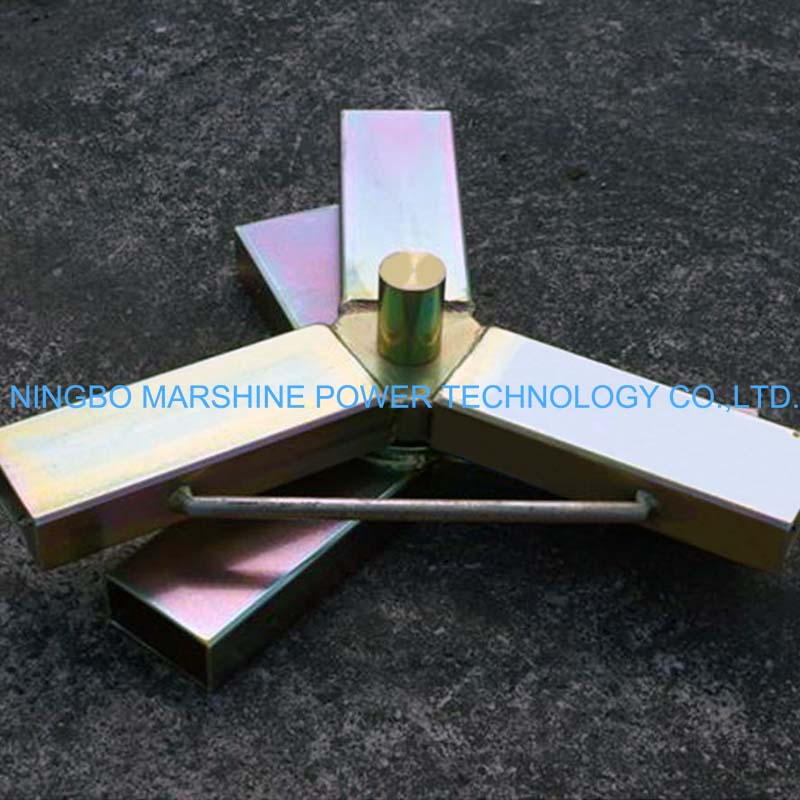
Understanding the MARDD-1 Horizontal Drum Dispenser
The MARSHINE MARDD-1 Manual Cable Drum Jack Horizontal Drum Dispenser is a compact and heavy-duty cable drum handling solution designed to facilitate safe and controlled cable dispensing. Its designed for dispensing cable directly from contractor vans, lorry beds, rail carriages, or from ground level, while supporting cable drums weighing up to 3,000 kg and measuring up to 2,000 mm in diameter. The unit features a zinc-plated finish, compact dimensions, and lightweight portability for field use. The compact design allows the dispenser to be transported easily and deployed quickly on construction sites.
So How Does This MARSHINE Drum Dispenser Function?
The Basic Working Principle
The MARSHINE MARDD-1 Manual Cable Drum Jack Horizontal Drum Dispenser operates on a straightforward mechanical principle. Instead of dragging cable directly from a stationary drum, the cable drum is mounted onto the dispenser and allowed to rotate as cable is pulled.
The system works by:
Supporting the cable drum securely.
Positioning the drum horizontally.
Allowing the drum to rotate around its central axis.
Releasing cable smoothly during pulling operations.
Maintaining controlled cable payout throughout installation.
By allowing the drum to turn naturally, the MARDD-1 significantly reduces friction and pulling resistance.
Main Components and Their Functions
To understand how the MARDD-1 functions, it is helpful to examine its major components.
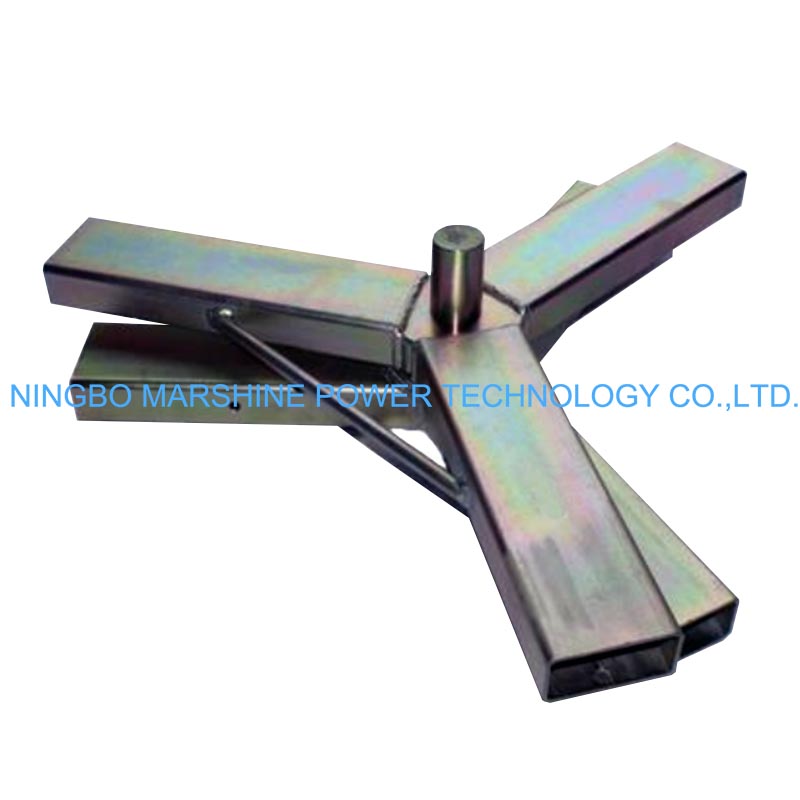
Heavy-Duty Steel Frame
The frame forms the foundation of the entire system.
Its functions include:
Supporting the weight of the cable drum;
Maintaining stability during operation;
Distributing loads evenly to the ground;
Preventing movement during cable payout;
The robust steel construction enables the dispenser to withstand the demanding conditions commonly found on utility and construction sites.
Central Support Spigot
The central spigot is one of the most important components of the MARDD-1.
Its purpose is to:
Engage with the center hole of the cable drum;
Support the drum during operation;
Act as the rotational axis for the drum;
When the cable drum is placed onto the spigot, the drum becomes securely supported while remaining free to rotate.
This simple design allows the cable drum to function much like a wheel rotating around an axle.
Rotational Support System
The MARSHINE MARDD-1 Manual Cable Drum Jack Horizontal Drum Dispenser is engineered to allow smooth drum rotation with minimal resistance.
As cable is pulled:
The pulling force causes the drum to turn.
The drum rotates around the support point.
Cable unwinds naturally from the drum.
This rotational movement eliminates the need to manually turn the drum during installation. The smoother the drum rotates, the less force is required to pull the cable.
How Cable Payout Occurs?
Pulling Force Is Applied
The cable is connected to a cable pulling machine such as hydraulic puller, conveyor, trailer or winch. The pulling force begins drawing cable away from the drum.
Drum Rotation Begins
Because the cable is wrapped around the drum, the pulling force creates rotational movement. The drum starts turning in the direction of cable payout. Unlike a stationary drum, the cable does not need to slide across layers under significant resistance. Instead, the entire drum rotates smoothly.
Cable Is Released Continuously
As the drum rotates:
Cable unwinds evenly.
Cable layers remain organized.
Tension remains relatively consistent.
The result is a smooth and controlled dispensing process.
Rotation Continues Throughout Installation
The drum continues rotating as long as cable is being pulled.
When pulling stops:
Drum rotation slows.
The drum comes to rest naturally.
Cable payout stops immediately.
This provides excellent control throughout the installation process.