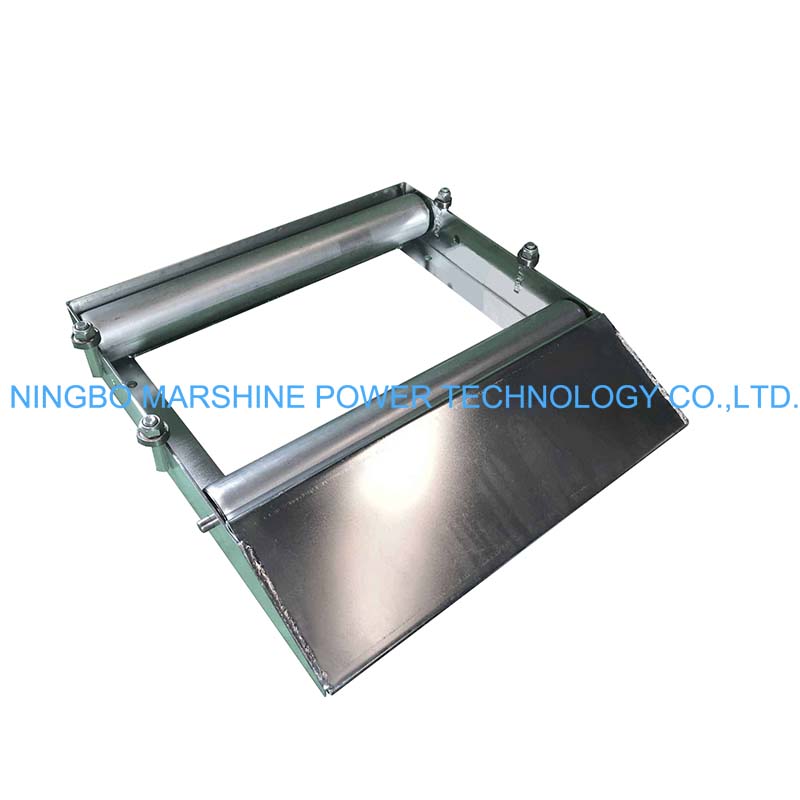
Use our rotator as an example, the MARSHINE MARDR620 Lightweight Roll-On Cable Drum Rotator is specifically designed to minimize these risks through a combination of adjustable support rollers, lateral guide bearings, sealed roller bearings, and an optimized frame structure. Our cable drum rotators use adjustable rollers, spring-loaded shafts, and four lateral roller guides to improve drum stability and prevent twisting during operation. They are designed to accommodate drums from 300 mm to 800 mm in diameter and up to 620 mm in width.
What Causes Cable Drum Slippage?
Before discussing prevention methods, it is important to understand why slippage occurs. And the common causes include:
Incorrect drum positioning;
Uneven ground conditions;
Excessive pulling speed;
Drum size mismatch;
Worn support rollers;
Poor cable alignment;
Sudden pulling force changes;
Lack of anti-slip support;
This means most slippage problems result from improper setup rather than equipment failure.
So How To Prevent The Slippage Caused By Rotator?
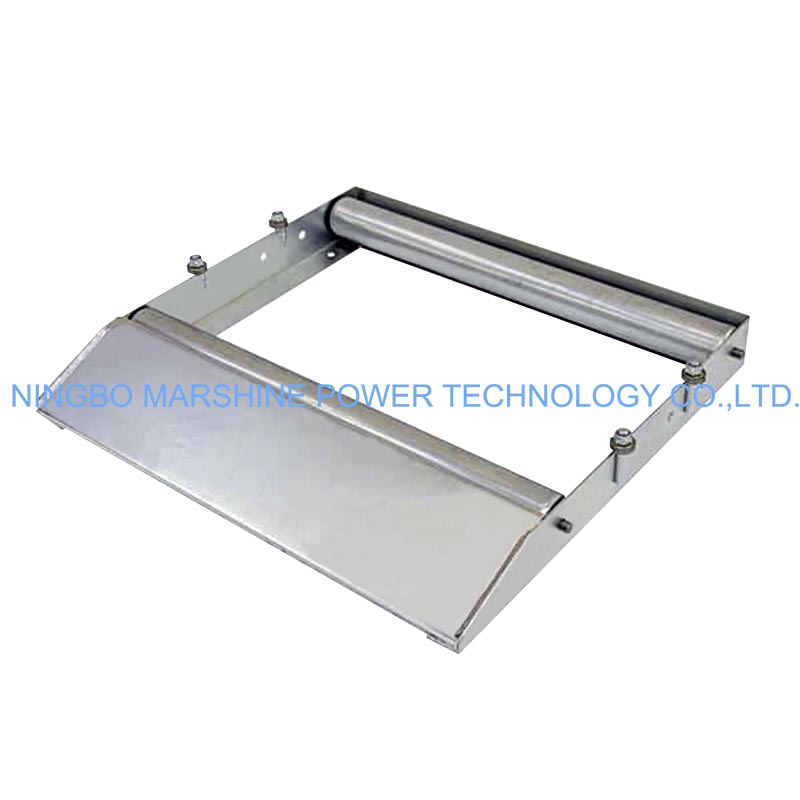
One of the most effective ways to prevent slippage is to ensure the cable drum matches the rotator's operating range. The MARSHINE MARDR620 Lightweight Roll-On Cable Drum Rotator is designed to support a wide range of drum diameters through its adjustable roller arrangement. Spring-loaded shafts allow the rollers to be adjusted for different drum sizes, helping maintain proper contact between the drum flanges and the support rollers.
Another key feature that helps prevent slippage is the use of side guide bearings. Modern roll-on cable drum rotators incorporate multiple lateral guide rollers that help prevent side-to-side movement and drum twisting. Improved DR1 designs utilize four lateral roller guides rather than two, specifically to enhance drum stability during cable payout. For operators, this means smoother cable dispensing and greater control throughout the installation process.
And What’s The Point Operator Should Notice?
Position the Drum Correctly on the Rollers
Improper loading is one of the leading causes of drum instability.
When loading the drum:
Roll the drum evenly up the loading ramp.
Ensure both flanges contact the support rollers equally.
Center the drum on the rotator.
Confirm the drum sits squarely before pulling begins.
Maintain Proper Cable Pulling Alignment
Cable alignment has a direct effect on drum stability. And to keep this status, you need to:
Align the cable route with the center of the drum;
Use cable rollers to maintain a straight pulling path;
Avoid sudden directional changes immediately after the drum;
Maintaining proper alignment helps ensure balanced drum rotation.
Avoid Excessive Pulling Speeds
Although our MARSHINE MARDR620 Lightweight Roll-On Cable Drum Rotator are designed for smooth rotation, excessive pulling speed can create instability. The high-speed pulling may cause the drum bounce, uneven rotation, sudden acceleration, or reduced roller contact. So for best results, please:
Start pulling gradually;
Increase speed progressively;
Maintain consistent tension;
Avoid abrupt starts and stops;