Understanding the Difference Between Separate and Fixed Drum Rotators
Before comparing the advantages, it is important to understand the basic structural differences.
A fixed-type drum rotator typically consists of:
One integrated steel frame;
Fixed roller spacing;
Predetermined drum width range;
Compact one-piece construction;
The drum rests on support rollers mounted within the frame.
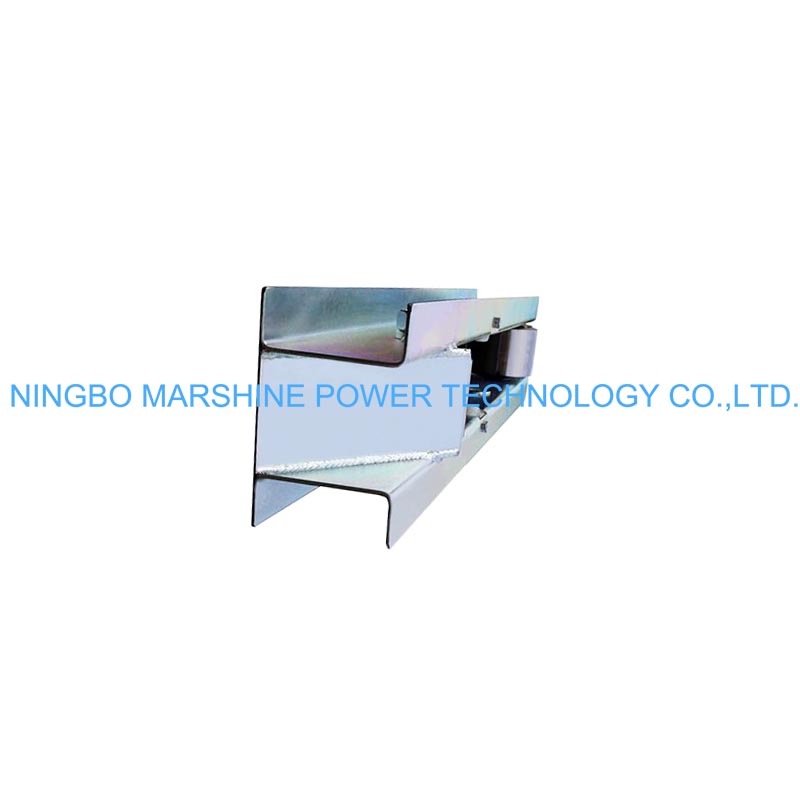
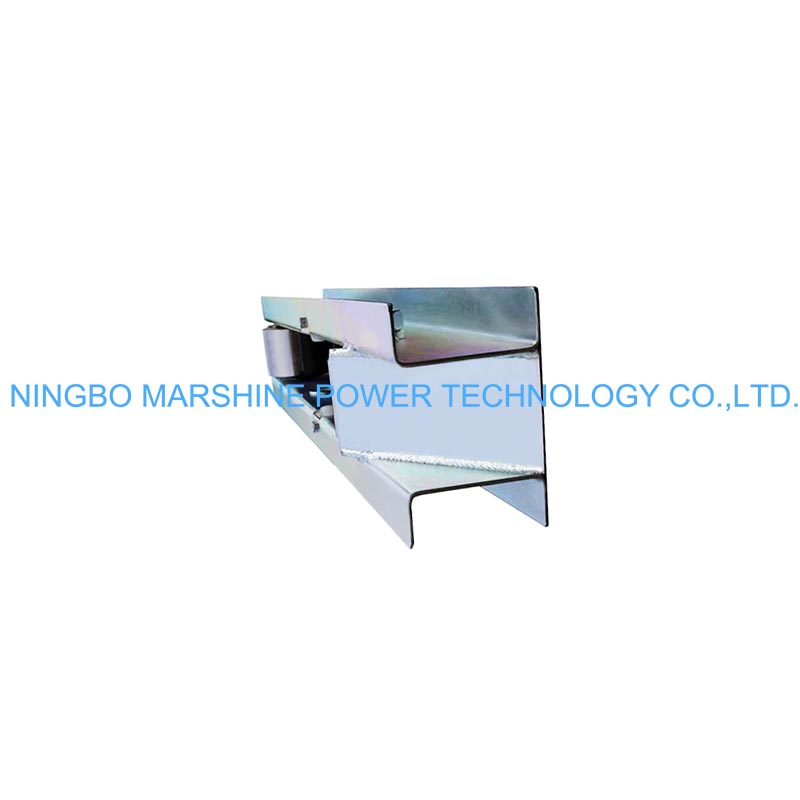
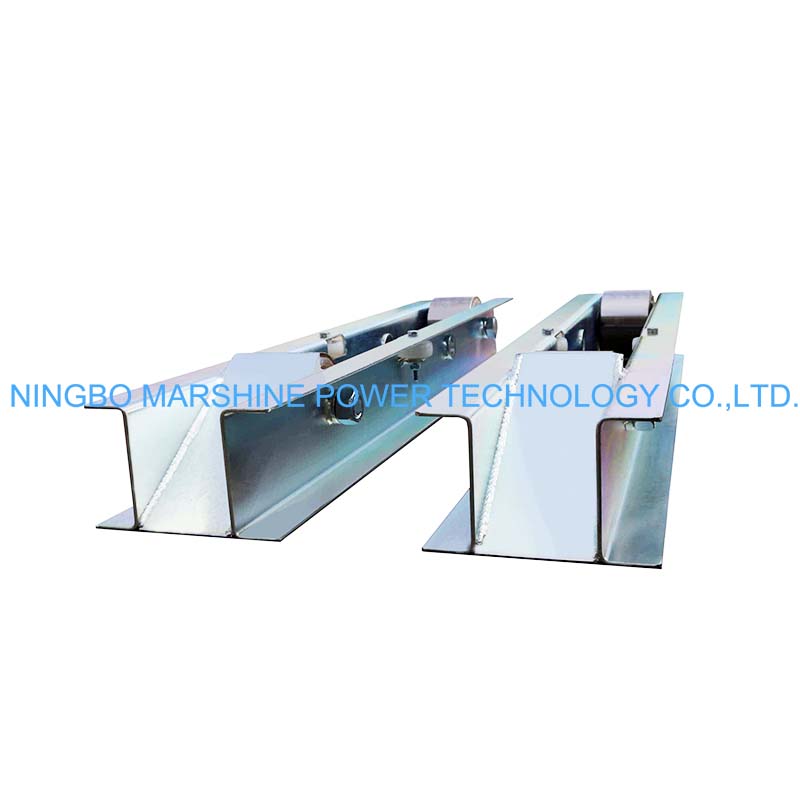
A separate drum rotator such as the MARSHINE MARDR5 Channel Steel Frame Separate Cable Drum Rotator, it consists of:
Two independent roller assemblies;
Heavy-duty channel steel construction;
Adjustable spacing between units;
Flexible drum positioning capability;
Instead of relying on a fixed frame width, the two roller units can be positioned according to the drum dimensions. This design creates several important advantages.
Greater Compatibility With Different Drum Widths
One of the most significant advantages of the MARDR5 is its ability to accommodate a much wider range of drum widths. The traditional fixed type rotators, with such limitations:
Roller spacing cannot be adjusted.
Extremely narrow drums may not sit correctly.
Wide drums may exceed frame limitations.
Multiple rotators may be required for different projects.
But for MARSHINE MARDR5 Channel Steel Frame Separate Cable Drum Rotator, because the roller units are completely separate, it allows operators to position them according to the drum width, can support narrow drums securely while accommodating wide drums easily, and can meet different drum configurations to handle different works with ease. This flexibility is particularly valuable for contractors who regularly work with multiple cable types and drum sizes.