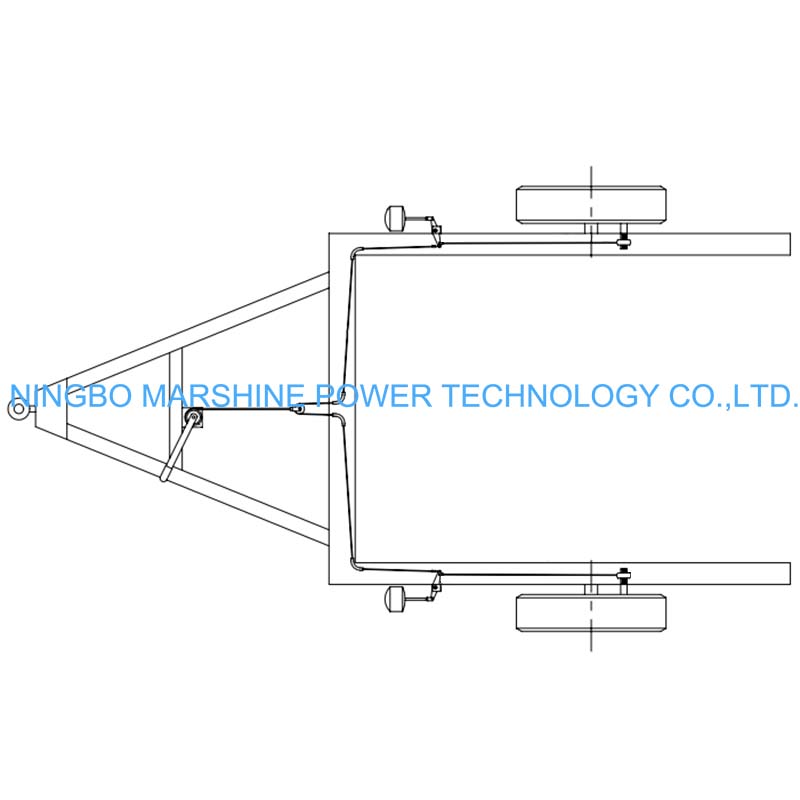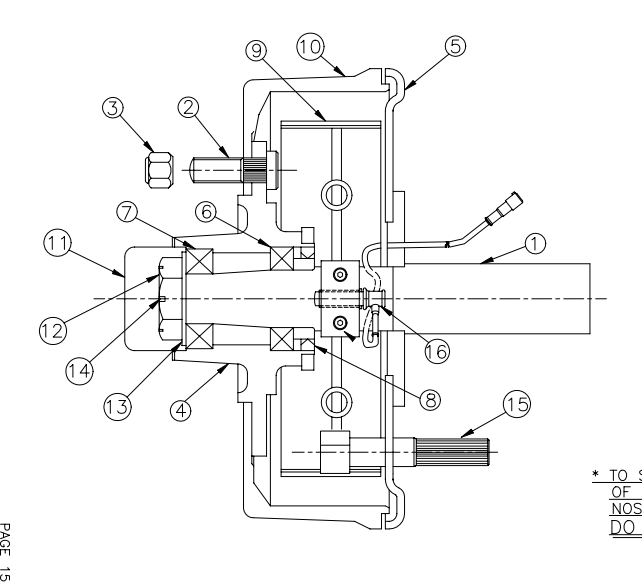
What Is MARSHINE MARCD-140 Hydraulic Cable Drum Trailer?
The MARSHINE MARCD-140 Hydraulic Suspended Alloy Steel Cable Drum Trailer is a high capacity cable drum handler that allows for the transportation, lifting and laying out of heavy cable drums in a useful, productive and safe way. With a hydraulic suspended lifting system and a tough alloy steel construction, this trailer is not only ideal for high-demand power line transmission, but also good at utility and telecommunications applications. Its state-of-the-art suspension and hydraulic management system allow for a stable drum handling, smooth cable distribution and safer operation in severe sequestered environments.
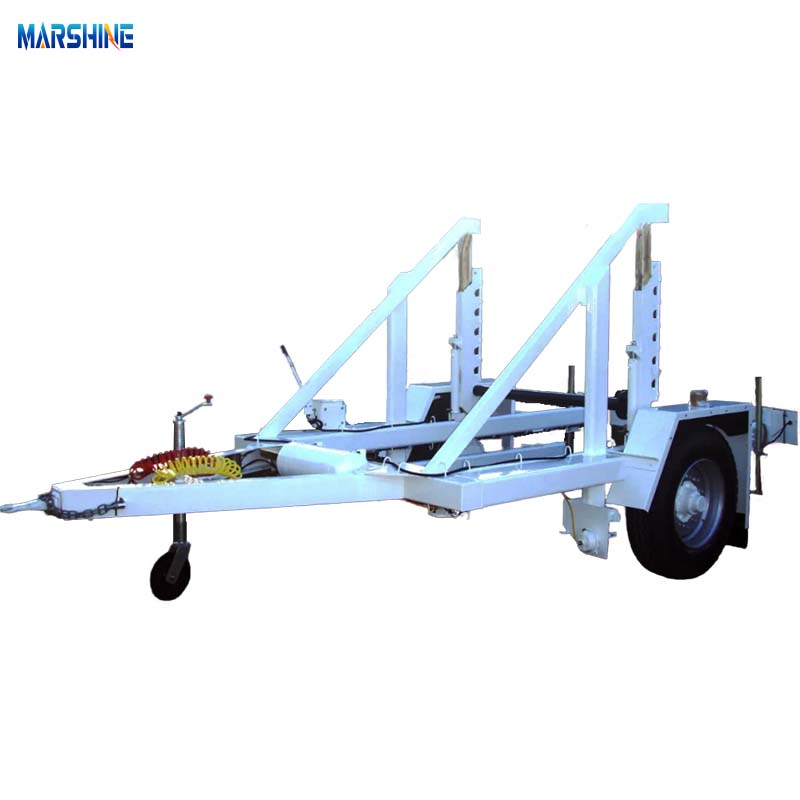
So How To Use MARSHINE MARCD-140 Cable Drum Trailer Properly?
Preparation
Prior to trailer operation, do the following inspections and preparations:
Examination of the trailer body: Look for damage or wear to the alloy steel frame, axle, suspension, and hitch.
Inspect the hydraulic system: Check the hydraulic cylinders, hoses, valves and pumps for leaks and proper operation.
Test the brakes: You want to make sure the drum brake assembly runs smoothly.
Tire and Suspension: Check tire pressure and ensure suspension is stable.
Ensure load fit: Make sure the weight and size of the cable drum fit within the rated capacity.
Prepare the site: Select stable and level ground for loading and operation.
Load the Drum
Position the Trailer
Place the trailer on solid and flat ground.
Put the blocks on both sides of the wheels to stop any motion.
Engage Hydraulic Suspension System
Start the hydraulic pump or the hydraulic controls.
Lift the suspended support arms to loading height.
Line Up the Cable Drum
Place the cable reel between the rack arms.
Make sure the drum is centered and balanced.
Load up the Drum Shaft
Insert the steel shaft into the center hole of the cable drum.
Attach the two ends of the axle to your MARSHINE MARCD-140 Hydraulic Suspended Alloy Steel Cable Drum Trailer’s beams.
Lift and Secure the Drum
Slowly raise the drum with the hydraulic system.
Transport
Connect the trailer securely to the towing vehicle using the hitch system.
Attach safety chains and lighting connectors if equipped.
Check trailer stability before transport.
Drive carefully, especially on rough or uneven terrain.
Avoid sudden braking or sharp turns to maintain balance and prevent load shifting.
Cable Pay-Out
After the trailer is placed at the site:
Stabilize the trailer
Park on a flat surface and place wheel chocks.
Consult with cable route
Put the trailer in such a way that the cable goes directly into the pulling direction.
Adjust the braking mechanism
Brake the speed of drum rotation.
Start cable pulling
Pull the cable out of the drum with a winch or cable pulling device.
Keep a consistent tension
You need to unwind the cable in a smooth, controlled fashion over the course of the whole process.
Monitor drum movement
Keep an eye out for tangles, uneven payout, or over speed of drum.